



In industrial fluid transfer systems, hose clamps are arguably the most overlooked components. Yet these small fasteners play a critical role in preventing leaks, maintaining system pressure, and ensuring the safe operation of complete machinery. As manufacturing processes evolve and application scenarios become more specialised, hose clamps have developed from simple tightening devices into precision-engineered components with distinct performance characteristics.
This article provides a systematic overview of mainstream hose clamp types, their technical features, and science‑based selection criteria for real‑world applications.
1. Main Types and Design Characteristics
Based on structural design and tightening principles, hose clamps on the market fall into the following major categories:

1.1 Worm Gear Hose Clamps
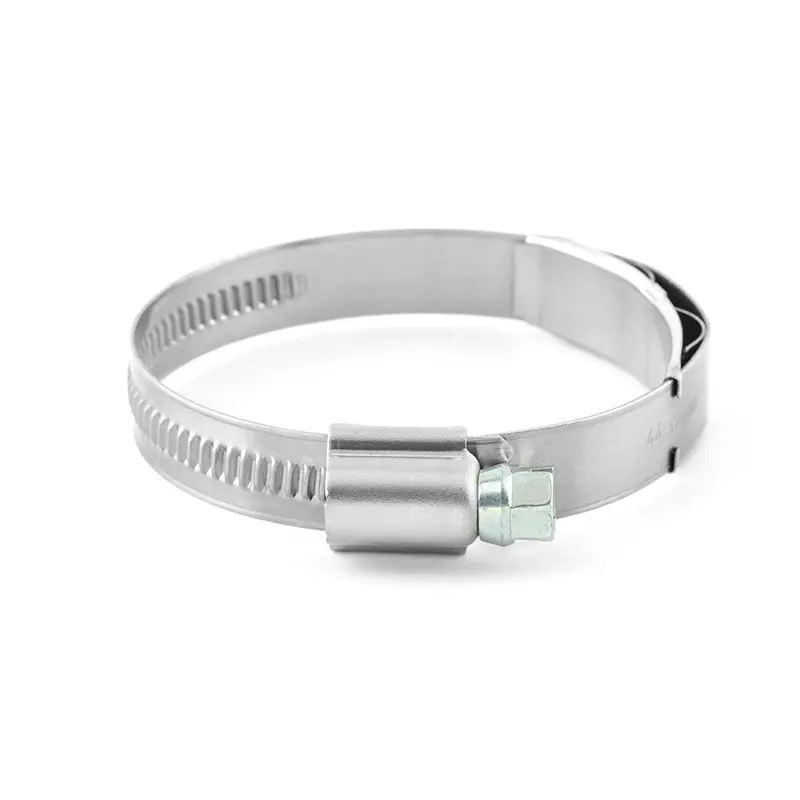
The most widely used general‑purpose clamps in industrial settings. Their core structure consists of a band (usually carbon steel or 304/316 stainless steel), a worm screw, and a toothed band.
Advantages: High torque transfer efficiency, suitable for high‑pressure environments; infinitely adjustable via the worm screw, offering broad versatility.
Limitations: Under thermal cycling, metal expansion and contraction can cause pre‑load loss, requiring periodic re‑torquing. The stamped perforations on the band can also damage silicone or rubber hose surfaces.
Typical applications: Automotive cooling systems, general industrial piping, agricultural irrigation.
1.2 Spring‑Loaded / Constant Tension Clamps
Designed to counteract “cold flow” leakage caused by thermal expansion, these clamps use the elastic deformation of spring steel to compensate for pressure fluctuations and temperature changes.
Advantages: Automatic compensation for hose diameter relaxation due to ageing or temperature swings; long‑term sealing stability.
Limitations: Limited initial installation torque; not suitable for very high‑pressure systems.
Typical applications: Diesel engine fuel lines, high‑temperature exhaust systems, heavy‑truck EGR cooling systems.


1.3 Wire Clamps
Made from spring steel wire bent into a loop, these have an extremely simple structure. Sealing is achieved through radial contraction force.
Advantages: Lightweight, very low cost, and provide 360° uniform compression with minimal surface damage to the hose.
Limitations: Limited pressure‑bearing capacity; not suitable for large diameters.
Typical applications: Domestic water hoses, low‑pressure pneumatic lines, medical devices.
1.4 Ear Clamps
Tightened by crimping one or two “ears” with special pliers, causing permanent plastic deformation. Available in single‑ear and double‑ear versions.
Advantages: Tamper‑proof (cannot be removed without cutting); no worm‑gear gaps, resulting in a smooth, leak‑free sealing surface.
Limitations: Single‑use only; require dedicated installation tools, increasing maintenance costs.
Typical applications: Food‑grade and pharmaceutical hoses, high‑end automotive vacuum systems, aerospace hydraulic lines.


1.5 Heavy‑Duty T‑Bolt Clamps
Specifically designed for large‑diameter silicone hoses subjected to extreme vibration and high pressure. They feature a wide band tightened by a T‑bolt.
- Advantages: Very high clamping force and excellent vibration resistance; ideal for thick‑wall corrugated hoses.
- Limitations: Bulky, heavy, and relatively expensive.
- Typical applications: Turbocharger inlet/outlet piping, construction machinery cooling systems, marine engine installations.
2. Material Science and Surface Treatment Choices
Clamp performance depends not only on design but also on material selection. The high‑end market has largely shifted to all‑stainless steel (304/316), but cost‑sensitive sectors still offer differentiated options:
Zinc‑plated carbon steel: Economical, suitable for dry indoor environments; salt‑spray resistance typically below 72 hours.
Hot‑dip galvanised / Dacromet coating: Salt‑spray resistance of 240‑480 hours; suitable for outdoor and mildly corrosive environments.
304 stainless steel: Food‑grade corrosion resistance; used in chemical and general damp environments.
316 stainless steel: Contains molybdenum for superior resistance to chlorides and acids; specified for marine engineering and pharmaceutical CIP (Clean‑in‑Place) systems.
Industry trend: With tightening environmental regulations, hexavalent‑chromium‑free passivation and food‑grade stainless steel have become mandatory for exports to European and American markets.
3. Three Common Selection Pitfalls and How to Avoid Them
In practice, engineers often fall into the following traps by focusing too much on price:
Considering only inner diameter, ignoring the outer diameter clamping range. The size marked on a clamp usually refers to the range of hose outer diameters it fits. If the hose wall is too thick, the clamp may not close completely even if the inner diameter matches, leading to thread stripping.
Overlooking dynamic torque relaxation. In applications with temperature differentials exceeding 60°C, standard worm‑gear clamps require a “hot retorque” after initial installation. Otherwise, thermal expansion differences can significantly reduce bolt pre‑load and cause leakage.
Ignoring galling prevention on stainless steel threads. Stainless steel threads are prone to cold welding (galling) when tightened at high speed. Premium products apply PTFE or molybdenum disulphide coating on the threads. If not, an anti‑seize compound should be used during installation.
Conclusion
Small as they are, hose clamps are vital to system safety. From the classical mechanics of worm‑gear designs to the material science of constant‑tension clamps, and now to digital monitoring breakthroughs, the industry is moving toward greater precision, corrosion resistance, and intelligence. For equipment manufacturers, abandoning the outdated notion that “clamps are just accessories” and making science‑based selections according to pressure, temperature, media, and vibration are the lowest‑cost paths to improving overall machine reliability.

About Us
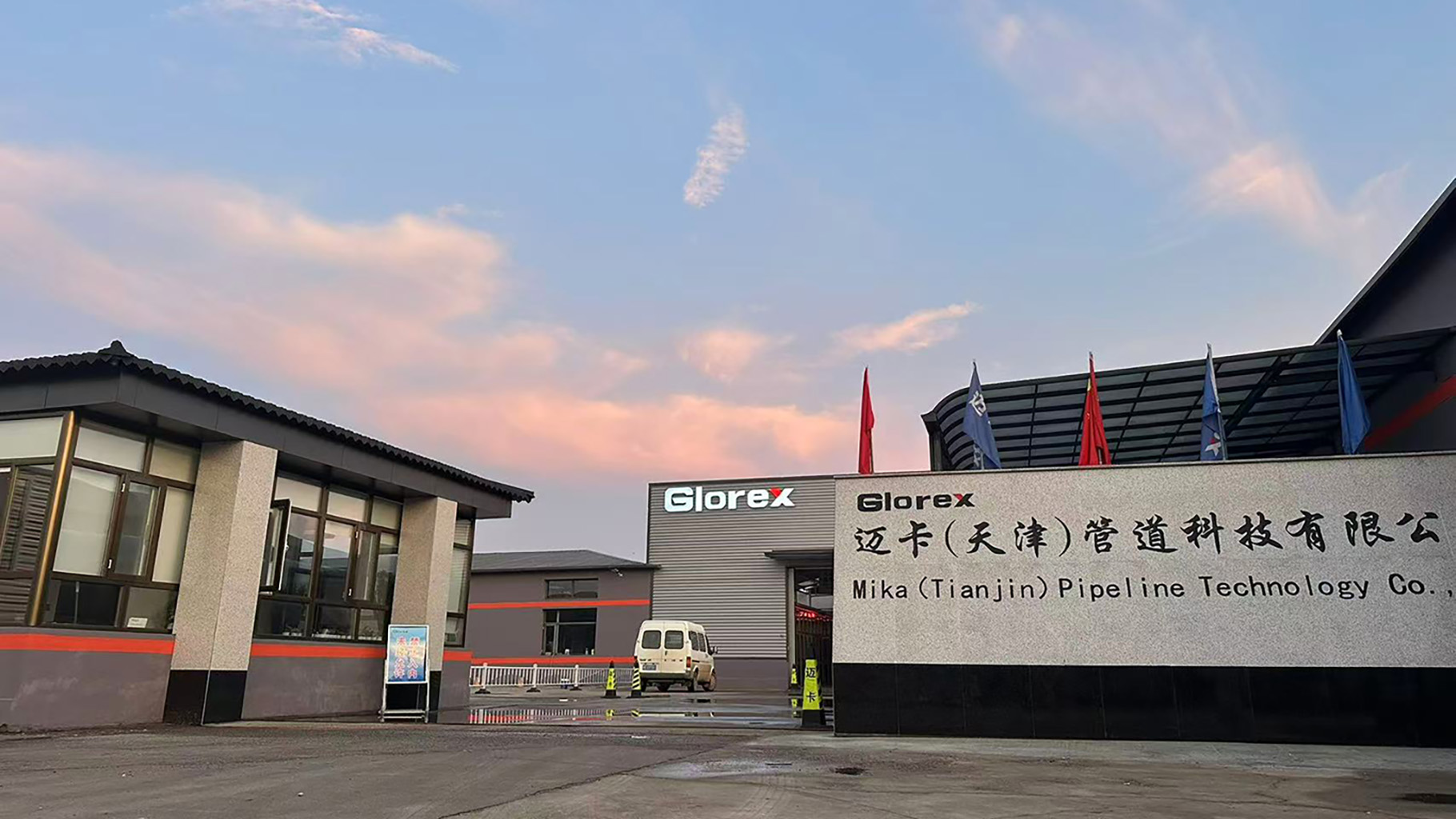
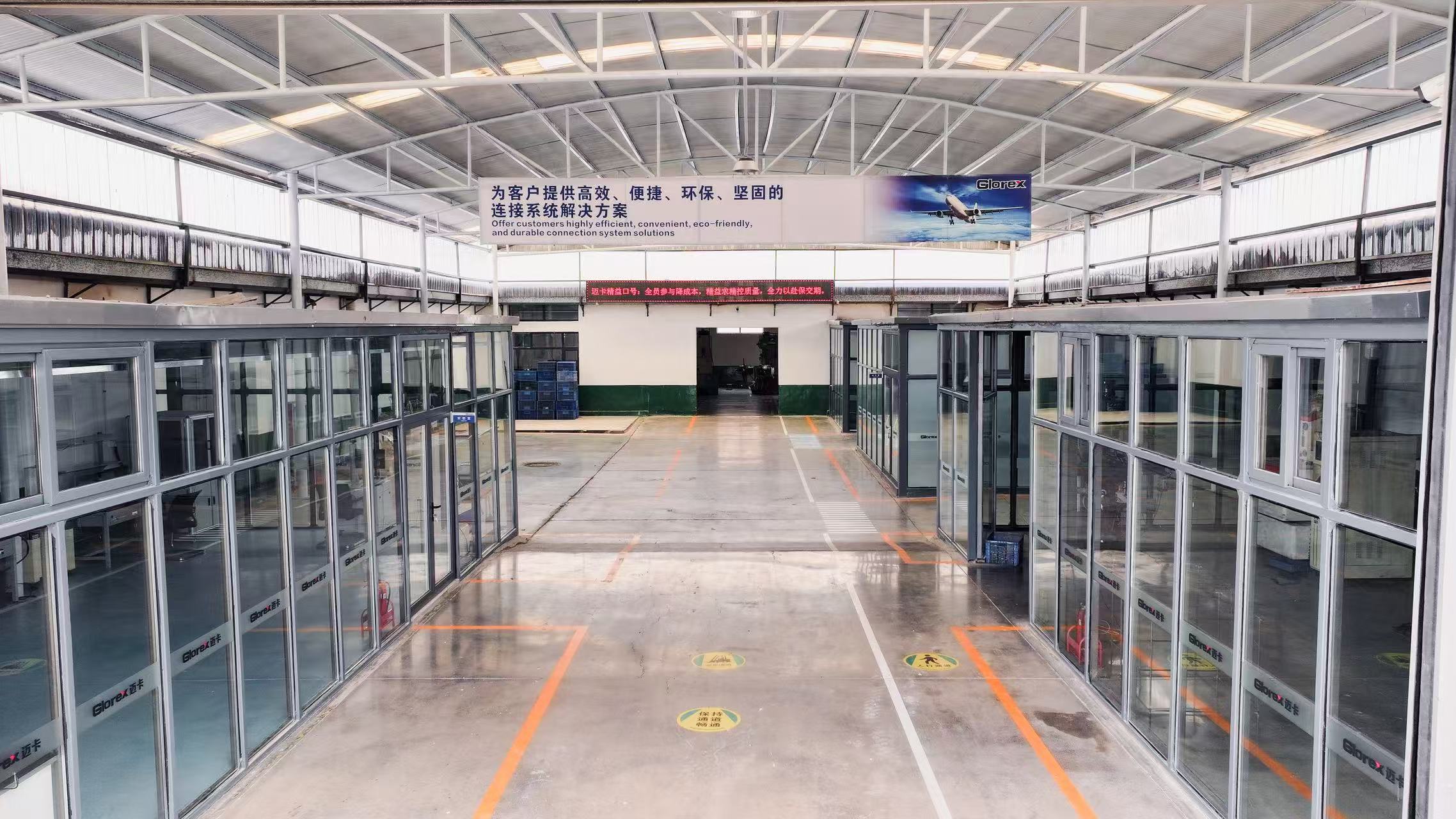
Mika (Tianjin) Pipe Technology Co., Ltd. We provide reliable, high-quality pipe clamps that ensure leak-free seals. Our products are used in the following fields: automotive, defense, intake systems, engine exhaust systems, heating and cooling systems, irrigation systems, and industrial drainage systems.


Hot Selling Products


Post time: Jul-03-2026


