



Understanding the Hidden Threat to Joint Integrity
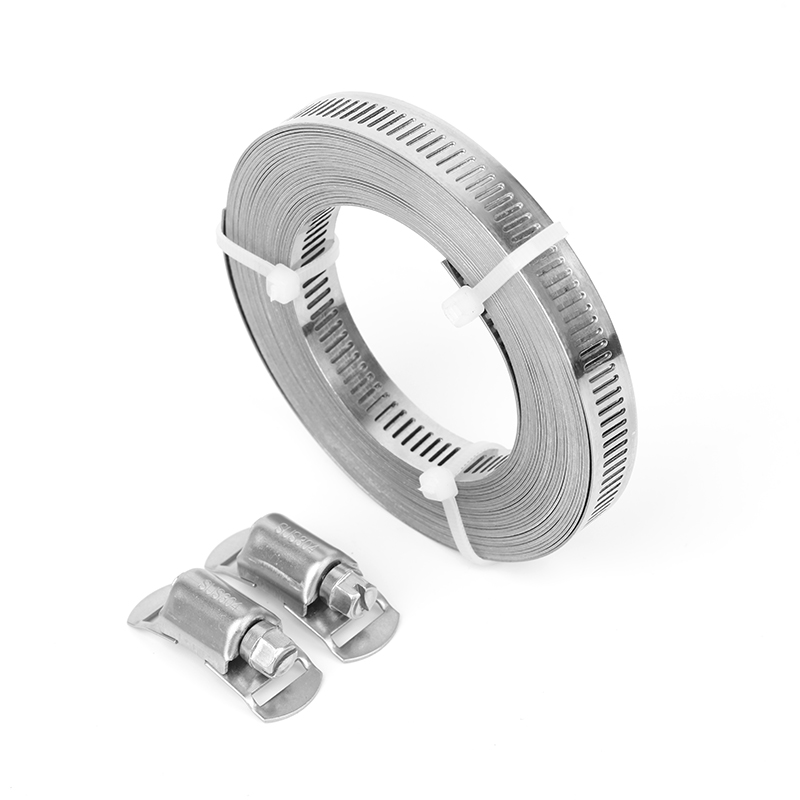
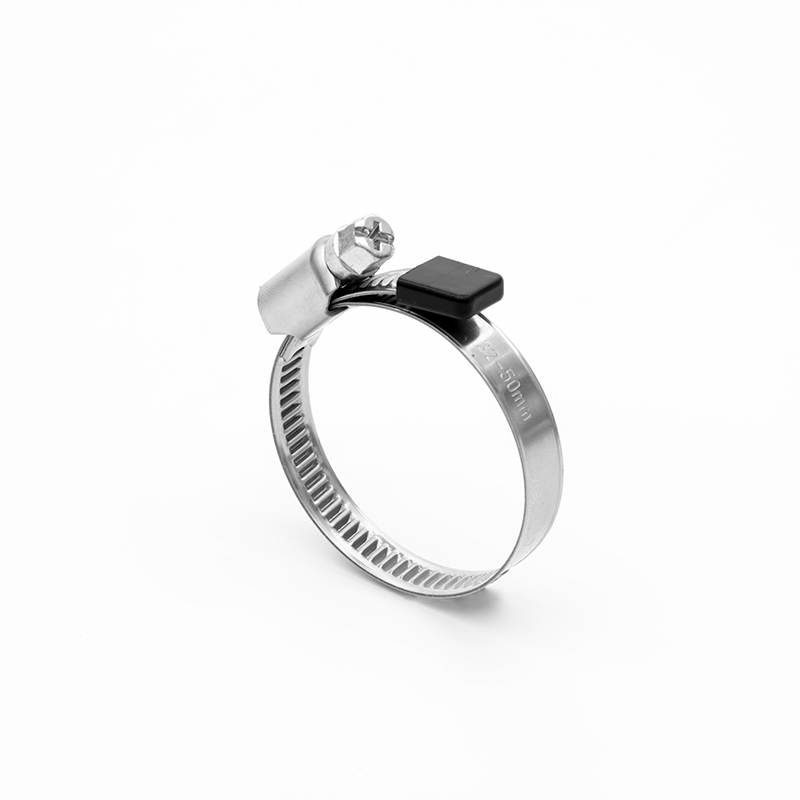
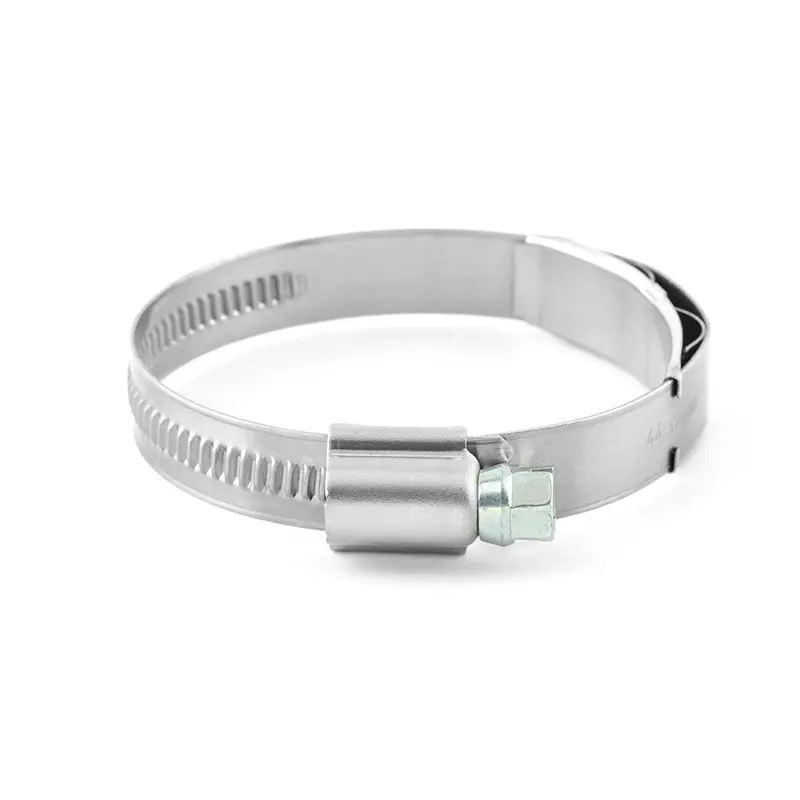
Worm gear clamps are everywhere. They secure hoses in automotive engines, industrial piping, marine applications, and HVAC systems. They seem simple. They seem dependable. But beneath that straightforward design lies a persistent engineering challenge that costs industries millions each year: torque relaxation.
Unlike sudden mechanical failure, torque relaxation creeps in silently. A clamp that was perfectly tightened during installation gradually loses its grip. The joint loosens. The seal weakens. And eventually, fluid escapes, pressure drops, or contamination enters—often at the worst possible moment.
This article examines the physical mechanisms behind torque relaxation in worm gear clamps, the factors that accelerate it, and practical strategies for maintaining clamping force over the equipment's service life.
What Is Torque Relaxation?
Torque relaxation—sometimes called stress relaxation—refers to the gradual reduction in clamping force that occurs when a bolted or clamped joint is subjected to sustained load over time. In worm gear clamps, this manifests as a decline in the band tension that secures the hose to the fitting.
Here's what happens: when you torque a worm gear clamp, the band stretches elastically. The screw mechanism converts rotational force into linear compression. This creates friction between the hose and the fitting, which generates the seal. However, materials are not perfectly elastic. Under sustained stress, polymers creep, metals micro-yield, and the entire system redistributes internal forces.
The result? The clamp remains physically in place, but the effective clamping force drops—sometimes by 30% or more within the first few months of service.
The Mechanics Behind the Loss
1. Material Creep in Hose Elastomers
The hose itself plays a starring role in torque relaxation. Most industrial hoses are made from rubber or synthetic elastomers. These materials exhibit viscoelastic behavior—they deform under sustained load. As the hose compresses over time, the clamp band must take up additional slack to maintain the same pressure. But a worm gear hose clamp cannot automatically adjust. The fixed geometry means that as the hose creeps, the band tension inevitably falls.
This is most pronounced in the first 24 to 48 hours after installation, but creep continues—albeit at a decreasing rate—for the life of the assembly. Applications with elevated temperatures accelerate this process dramatically.
2. Thermal Expansion and Contraction
Temperature fluctuations are another significant contributor. Hoses, fittings, and clamps have different coefficients of thermal expansion. When a system heats up, each component expands at a different rate. The clamp may temporarily tighten as the hose swells, only to loosen as temperatures normalize. Over many thermal cycles, this back-and-forth movement gradually reduces the effective clamping force.
In automotive under-hood environments, where temperatures can swing from -40°C to over 150°C in a single day, this cycling effect is particularly destructive.
3. Screw Thread Settling and Embedment
The worm gear mechanism relies on threads engaging with slots in the band. Under load, the contact points between the screw and the band undergo localized deformation. Microscopic burrs flatten. Surface irregularities compress. This phenomenon, known as embedment, causes the screw to lose a small amount of its preload—often within the first few hours after torquing.
While the loss from screw settling is smaller than hose creep, it is still measurable and contributes to the overall relaxation curve.
4. Vibration and Dynamic Loading
Systems that experience vibration or pulsating pressures are at greater risk. Each vibration cycle imparts tiny relative movements between the clamp, hose, and fitting. Over thousands or millions of cycles, these micro-motions gradually work the clamp loose. The worm gear may not rotate visibly, but the clamping force declines steadily as friction is overcome and surfaces polish against each other.

Quantifying the Problem
Engineers use accelerated life testing to characterize torque relaxation. A typical test profile involves tightening a clamp to a specified torque, then monitoring the remaining clamping force over time at elevated temperatures.
Industry studies consistently show:
- Within the first hour, clamping force may drop 5–10%
- Within 24 hours, the total loss often reaches 15–20%
- At 100 hours, losses of 25–35% are common
- Beyond 1,000 hours, the relaxation curve flattens, but residual force may be only 50–65% of initial values
These figures vary widely based on temperature, hose material, and clamp design. However, they underscore a crucial point: initial torque value is a poor predictor of long-term sealing performance.
Critical Factors That Accelerate Torque Relaxation
| Factor | Impact Level | Mechanism |
|---|---|---|
| Elevated Temperature | High | Accelerates polymer creep and reduces metal yield strength |
| Hose Hardness (Durometer) | High | Softer hoses exhibit greater creep |
| Clamp Band Width | Medium | Narrower bands create higher localized stress, accelerating relaxation |
| Screw Quality | Medium | Poor thread finish increases embedment losses |
| Installation Torque | High | Over-torquing can cause immediate yield and rapid relaxation |
| Thermal Cycling | High | Repeated expansion/contraction accelerates mechanical degradation |
| Vibration | Medium-High | Dynamic loads continuously disturb the joint |
| Humidity/Chemical Exposure | Medium | Can degrade hose material properties |

Distinguishing Relaxation from Other Failures
It is important to separate torque relaxation from related but distinct issues:
Creep: Deformation of the hose material under sustained load. This is the primary driver of relaxation but not the only one.
Stress relaxation: The reduction in stress within a material held at constant strain. In clamps, this happens in both the hose and the band.
Embedment: Localized plastic deformation at contact points between threads and slots.
Back-off: Actual rotation of the worm gear screw in the reverse direction, usually caused by vibration.
Corrosion: Chemical degradation of clamp materials, which can alter dimensions and reduce strength.
Proper diagnosis matters. Retorquing a clamp that has suffered embedment may restore performance. Retorquing a clamp in a system experiencing creep may provide only temporary relief.
Preventing and Mitigating Torque Relaxation
Design-Level Strategies
1. Select the Right Hose Material
Softer hoses are easier to seal but relax more quickly. For critical applications, consider hoses with higher durometer ratings or specialized compounds formulated to reduce creep. Silicone, for instance, performs better at high temperatures but may exhibit more relaxation than EPDM at moderate temperatures.
2. Optimize Clamp Band Width
Wider bands distribute clamping force over a larger area, reducing localized stress in the hose. This directly mitigates the effects of creep. Many premium clamps now feature band widths of 12 mm or more, compared to the standard 9 mm found in economy clamps.
3. Use High-Quality Threads and Materials
Stainless steel clamps with rolled threads exhibit less embedment than those with cut threads. The cold-working process of thread rolling produces a smoother, harder surface that maintains preload more effectively.
4. Consider Spring-Loaded or Constant-Tension Designs
Some applications demand a more sophisticated approach. Constant-tension clamps incorporate a spring mechanism that actively compensates for hose relaxation and thermal expansion. While more expensive, they deliver superior long-term performance in critical systems.
Installation Best Practices
1. Apply Proper Torque—Not Maximum Torque
The instinct to overtighten is counterproductive. Exceeding the manufacturer's recommended torque can cause immediate yielding of the band material or the screw, setting the stage for rapid relaxation. Use a calibrated torque wrench and follow specifications precisely.
2. Use Torque-to-Yield Procedures Where Appropriate
In some applications, a deliberate torque-to-yield approach—tightening to the point of slight plastic deformation—can improve retention. However, this is highly material-dependent and should only be attempted with engineering guidance.
3. Employ Retorquing Schedules
Many industrial standards recommend retorquing worm gear clamps after the first 24 hours of operation and again after the first thermal cycle. This accounts for initial relaxation and establishes a baseline for long-term performance.
4. Consider Torque Seal Indicators
When safety is paramount, torque seal inks or indicators can provide visual verification that the clamp has not experienced screw back-off. While they do not detect pure relaxation, they rule out one potential failure mode.

Material Selection: A Deeper Look
The choice between carbon steel, galvanized steel, and stainless steel affects more than just corrosion resistance. It directly influences torque relaxation behavior.
Carbon steel has high stiffness and good yield strength but suffers from corrosion, which can both degrade the material and increase friction in the worm gear mechanism.
Galvanized steel offers corrosion protection but the zinc coating can deform under load, accelerating embedment losses.
Stainless steel (typically 304 or 316) provides the best combination of strength, corrosion resistance, and thermal stability. The higher cost is justified in applications where long-term reliability matters.
Alloy composition matters at the microstructural level. Clamps manufactured from precipitation-hardened stainless steels may retain preload better than those made from annealed material.
When to Replace vs. Retorque
Maintenance personnel often struggle with this decision. Here are practical guidelines:
Retorque when:
The clamp has been in service for less than 100 hours
No visible corrosion or deformation exists
The system is accessible and safe to service
Previous retorque cycles have restored performance
Replace when:
The hose clamp shows signs of corrosion, cracking, or deformation
Multiple retorque cycles have failed to maintain adequate force
The hose itself exhibits hardening, cracking, or excessive compression set
The application involves safety-critical systems with known relaxation issues
Cost Implications of Ignoring Relaxation
The financial impact of torque relaxation extends beyond the cost of replacement clamps.
Downtime from leaking connections can cost thousands per hour in industrial settings
Product loss—whether chemicals, oil, or coolant—represents direct material waste
Environmental remediation and regulatory fines for leaks add further expense
Reputation damage when equipment failures affect customer operations
A study of industrial fluid power systems estimated that up to 40% of all connection failures originate from improperly maintained clamp joints. Many of these trace back directly to torque relaxation.
Conclusion
Torque relaxation in worm gear clamps is not a design flaw—it is a physical reality. All materials deform under sustained load. All joints redistribute force over time. The question is not whether relaxation will occur, but whether it is managed effectively.
Success requires a comprehensive approach: appropriate material selection, correct installation, realistic maintenance schedules, and awareness of the service conditions that accelerate relaxation. For critical applications, this means moving beyond simple torque specifications and embracing a lifecycle perspective on joint integrity.
The clamp that holds today may not hold tomorrow. The difference between a leaky assembly and a reliable one often comes down to how well the engineering team understands—and accounts for—this fundamental phenomenon.


ABOUT GLOREX
Glorex is a professional manufacturer of high-performance clamping solutions, specializing in American-type hose clamps, stainless steel hose clamps, and custom workholding products. With a focus on strict quality control, integrated molding technology, and responsive logistics, Glorex serves automotive, industrial, and machinery customers worldwide.
Certificate


Hot Selling Products


Post time: Jun-29-2026


