



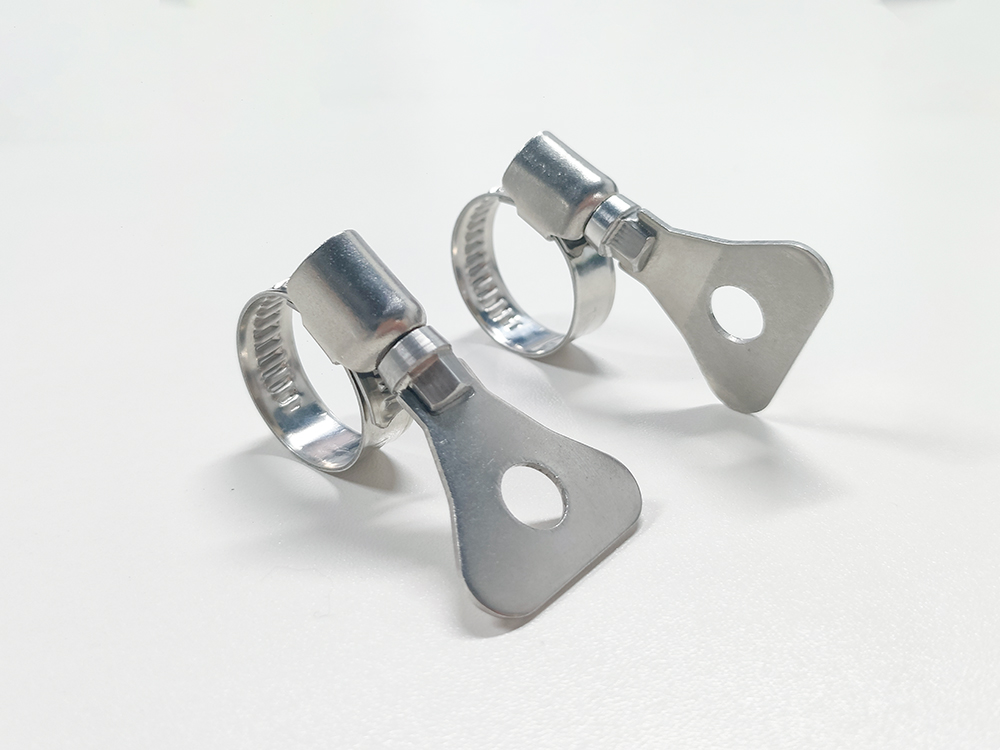
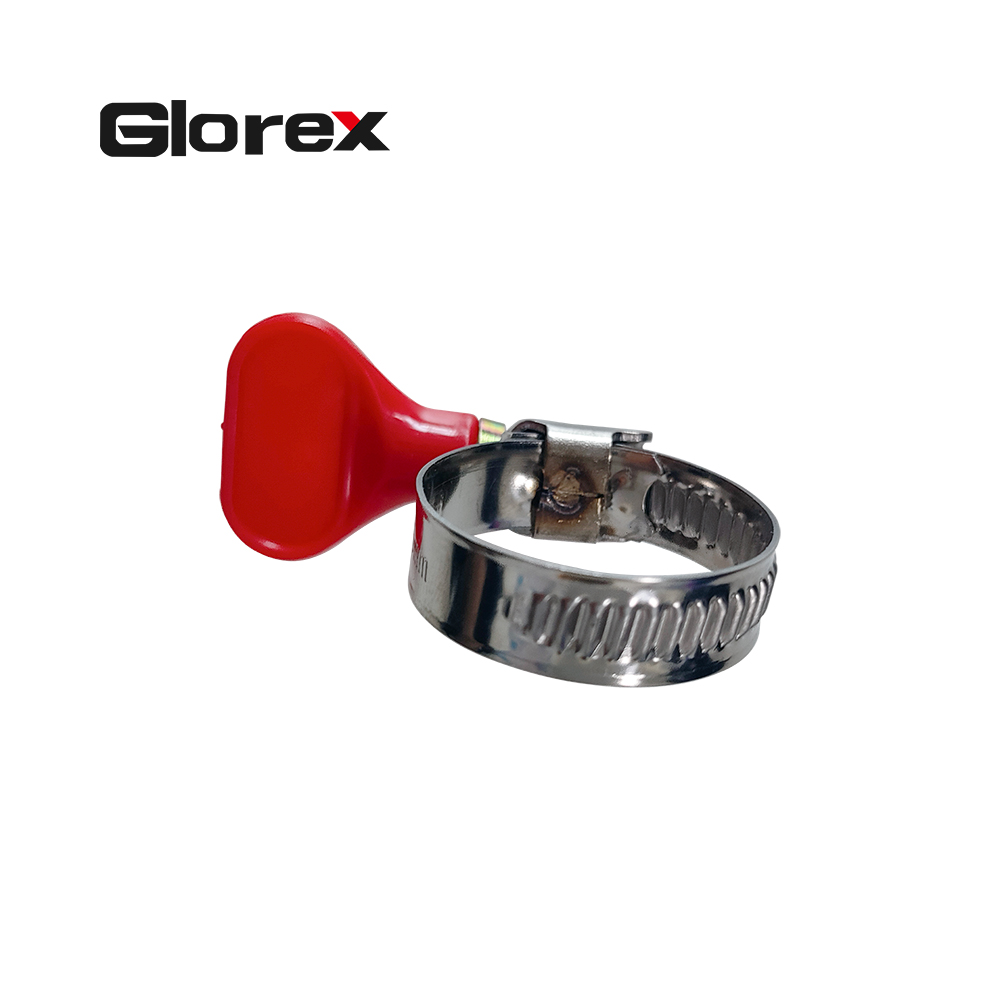
If you’ve ever tried to tighten a standard worm‑gear clamp in a cramped engine compartment or behind a bulkhead, you know the drill – one hand holding the hose, the other fumbling for a screwdriver that’s always just out of reach. That’s exactly where the Germany‑type hose clamp with a butterfly handle saves the day.
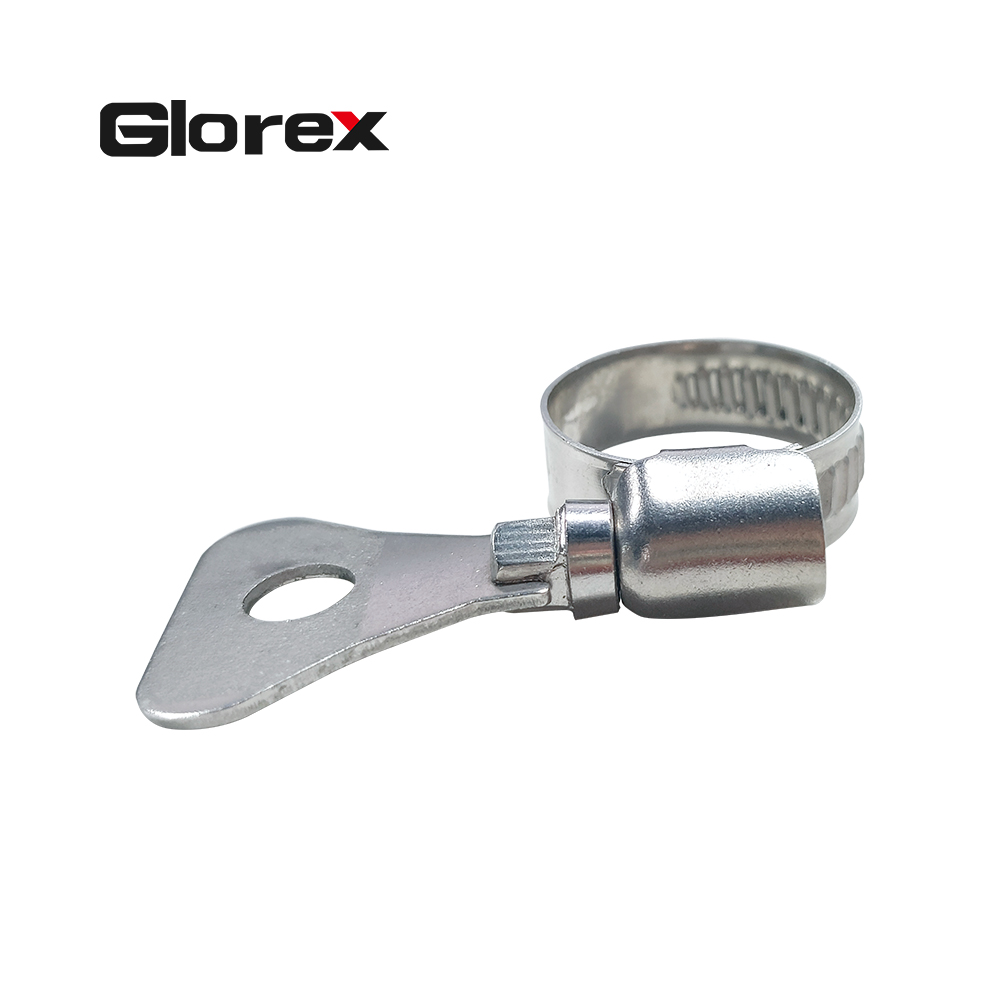
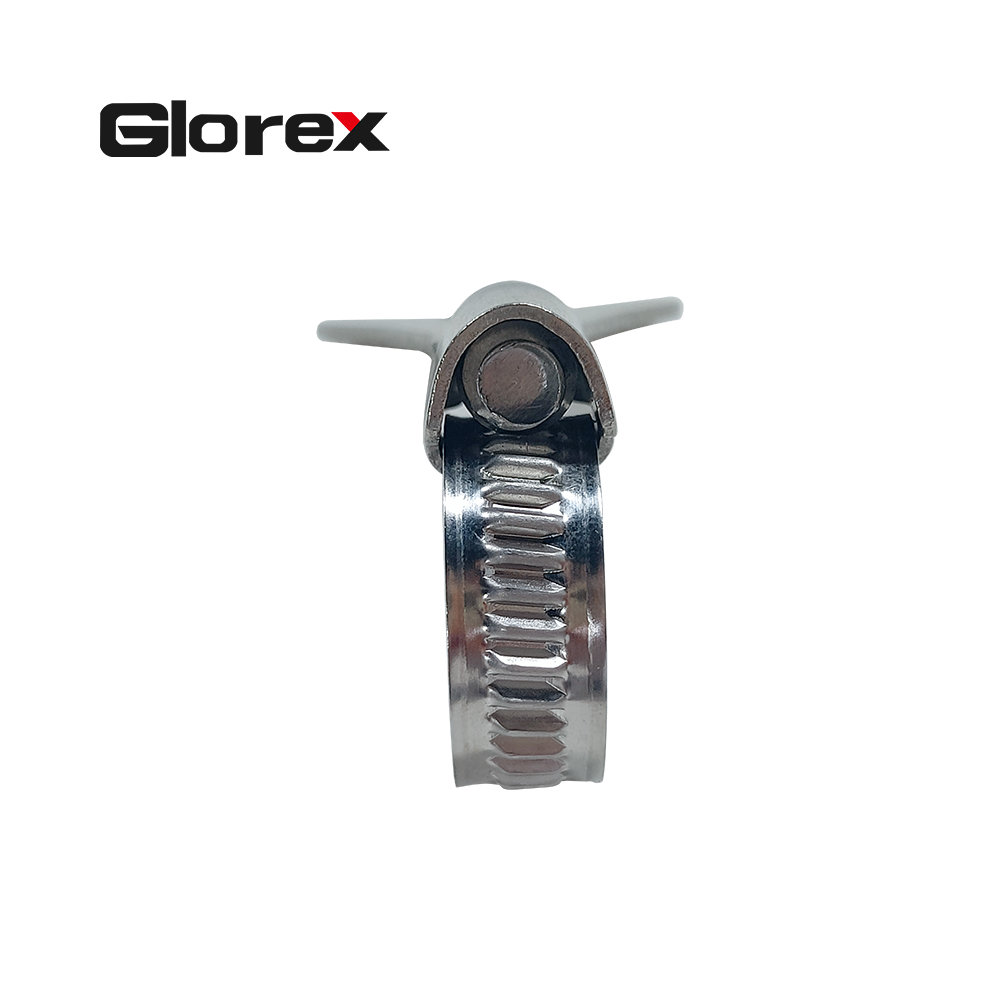
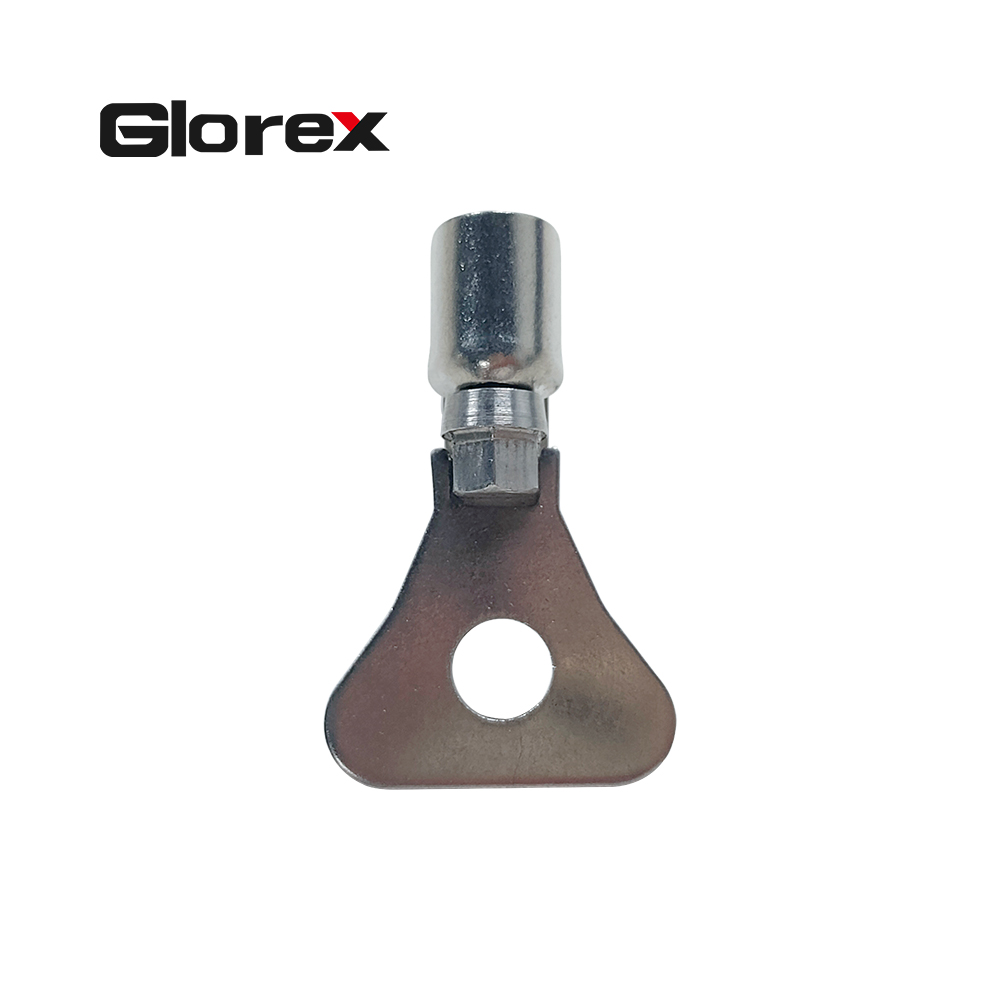
The idea is brilliantly simple: instead of a plain slotted screw, you get an external hex head with a wide, wing‑like handle. You can spin it tight with your fingers in seconds, then give it an extra half‑turn with a wrench if you need real torque. No more dropped tools, no more skinned knuckles. And because the band is perforated, the clamping force spreads evenly around the hose – no pinching, no weak spots.
Two Materials, One Clear Choice
When I spec these for customers, the first question is always: stainless or galvanised? Here’s the honest breakdown.
304 stainless steel – This is my go‑to for anything that sees moisture, chemicals, or extreme temperatures (‑50°C to 200°C). It handles saltwater, acid washdowns, and engine bay heat without flinching. If you’re in food processing, marine, or chemical transfer, just get this and sleep easy.
Galvanised steel – Cheaper, still decent for dry indoor work or temporary setups. The zinc coating buys you a few years of rust protection, but don’t push it outdoors long‑term. Great for workshop air lines, HVAC ducts, or prototype rigs where budget matters more than forever.
Both come in 0.6mm thickness, which is thick enough to bite securely but flexible enough to conform to slight hose irregularities.
Sizes That Actually Make Sense
If you’re tired of converting fractions, you’ll appreciate the metric range. These clamps cover hose outer diameters from 8mm up to 170mm. There are two bandwidths:
- 9mm band – perfect for standard hoses and lighter duties. Available in almost every size step from 8–12mm up to 140–160mm.
- 12mm band – the heavy lifter. Wider footprint means less pressure per square millimetre, so it won’t chew into soft silicone or rubber hoses. This one takes over from 10–16mm all the way to 150–170mm.
A quick sizing rule: measure your hose’s outside diameter when it’s fitted over the connector, then pick a clamp whose range brackets that number. For a 20mm hose, grab the 16–27mm clamp – simple.
Where I’ve Used Them
These clamps aren’t just shelf candy. I’ve seen them hold fuel lines on harvesters bouncing through muddy fields, secure cooling hoses on fishing trawlers, and even fasten fire hoses to hydrants during drill tests. Some real‑world sweet spots:
- Tractors & trucks – fuel, oil, coolant lines that vibrate constantly. The butterfly handle lets you re‑tighten without a tool box after the first hour of running.
- Boat engine rooms – bilge pumps, deck wash, raw water cooling. 304 stainless is non‑negotiable here.
- Construction sites – temporary water or slurry lines that get moved daily. Hand‑tighten, reposition, hand‑loosen – repeat.
- Dust extraction & pneumatic tubes – the 12mm band stops air leaks without crushing thin‑wall ducting.
A Few Installation Tricks I’ve Learned
Don’t just slap it on and crank it down. Slide the clamp over the hose before you push the hose onto the fitting – that way you’re not fighting the band. Position it about 5–10mm from the end of the hose, right over the barb or ribbed section. Tighten by hand until snug, then give it a quarter‑turn with a wrench. If the hose starts to bulge or the band digs in, back it off – you’re overtightening.
For high‑vibration gear (think diesel engines or compressors), mark the clamp position with a paint pen and re‑check after the first hour of operation. I’ve seen them loosen just enough to weep, and that quick re‑torque saves a mess later.
A Few Installation Tricks I’ve Learned
Don’t just slap it on and crank it down. Slide the clamp over the hose before you push the hose onto the fitting – that way you’re not fighting the band. Position it about 5–10mm from the end of the hose, right over the barb or ribbed section. Tighten by hand until snug, then give it a quarter‑turn with a wrench. If the hose starts to bulge or the band digs in, back it off – you’re overtightening.
For high‑vibration gear (think diesel engines or compressors), mark the clamp position with a paint pen and re‑check after the first hour of operation. I’ve seen them loosen just enough to weep, and that quick re‑torque saves a mess later.
Can You Reuse Them? Yes – But Check First
Unlike some cheap stamped clamps that strip after one use, these hold up to multiple installations. Before you reuse one, run your finger along the inside of the band – if you feel sharp burrs or the threads look flattened, retire it. Otherwise, clean off any rust or debris and it’s good to go again.


Where to Get the Real Deal
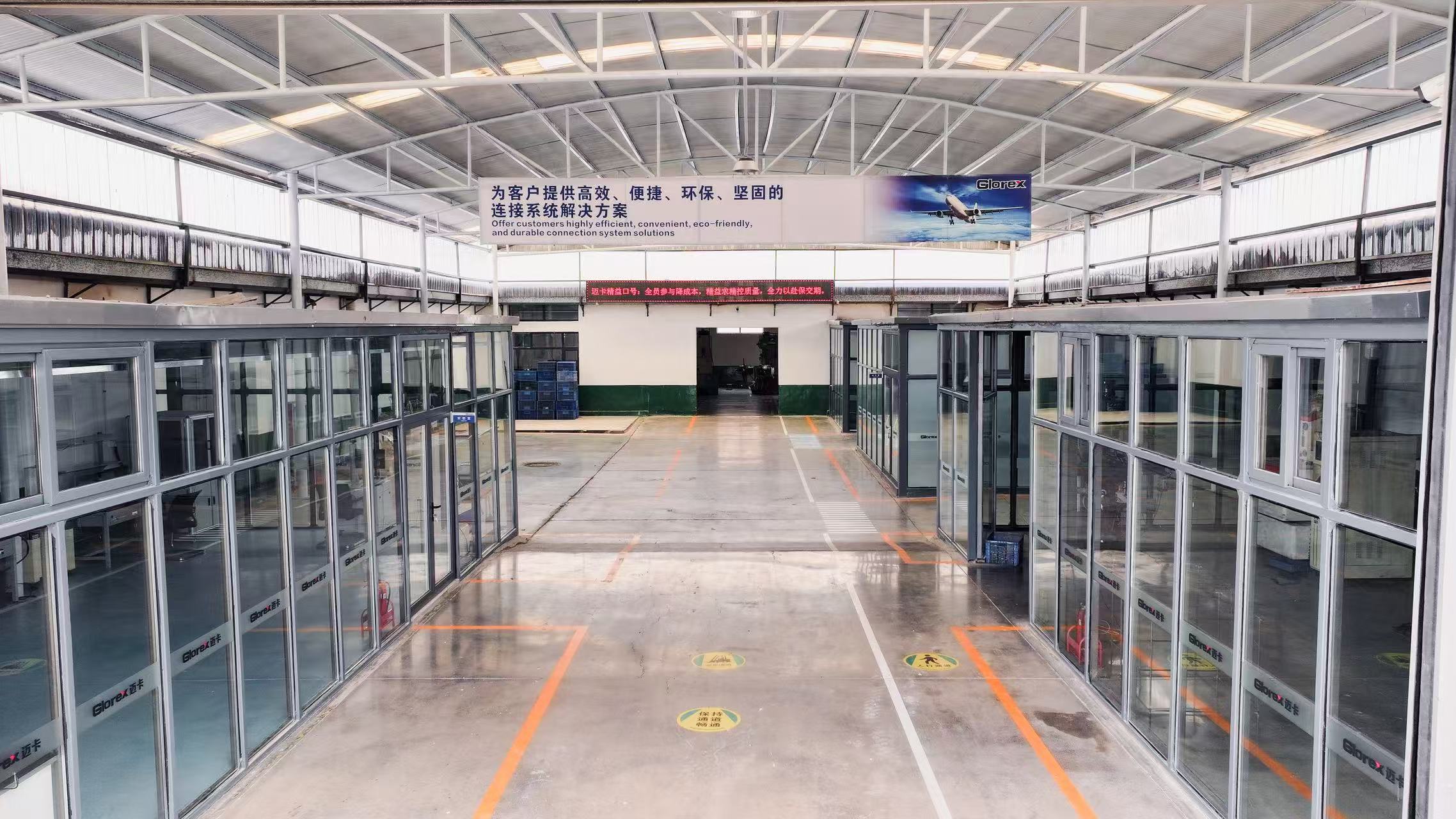
I’ve been using clamps from Glorex (manufactured by Mika Tianjin) for a while now, and their quality control is consistent – which matters more than you’d think when you’re ordering hundreds. They stock the full 9mm and 12mm ranges, and their 304 stainless holds up to salt spray tests without pitting.
Check out the complete specs and order samples here:
Germany Type Butterfly Handle Hose Clamp – Metric Sizes 8–170mm


Hot Selling Products


Post time: Aug-07-2026


