



Why Stainless Steel Wire Rope Clamps Matter in Modern Rigging
When a crane operator in Rotterdam needs to secure a 32mm mooring line, or a mining crew in Chile has to terminate a dragline cable before the next shift, the hardware connecting that rope isn't just a commodity—it's a safety-critical component. The stainless steel wire rope clamp has become the go-to solution for operations where carbon steel simply won't survive the environment.
Unlike standard galvanized clamps that degrade in salt spray or chemical exposure, stainless steel variants maintain their clamping integrity for years. This isn't marketing talk—it's metallurgy. The chromium oxide layer on SS304 or SS316 actively repassivates when scratched, something zinc coatings cannot do.
Understanding the DIN741 Standard
The DIN741 specification originated in Germany but has become a global benchmark for wire rope clip dimensions. Here's what makes it relevant:
Uniform thread pitch across all sizes, meaning nuts from a 10mm clamp fit any 10mm U-bolt regardless of manufacturer
Standardized saddle geometry that distributes load evenly across the rope's circumference
Interchangeability with European, Asian, and North American rigging systems
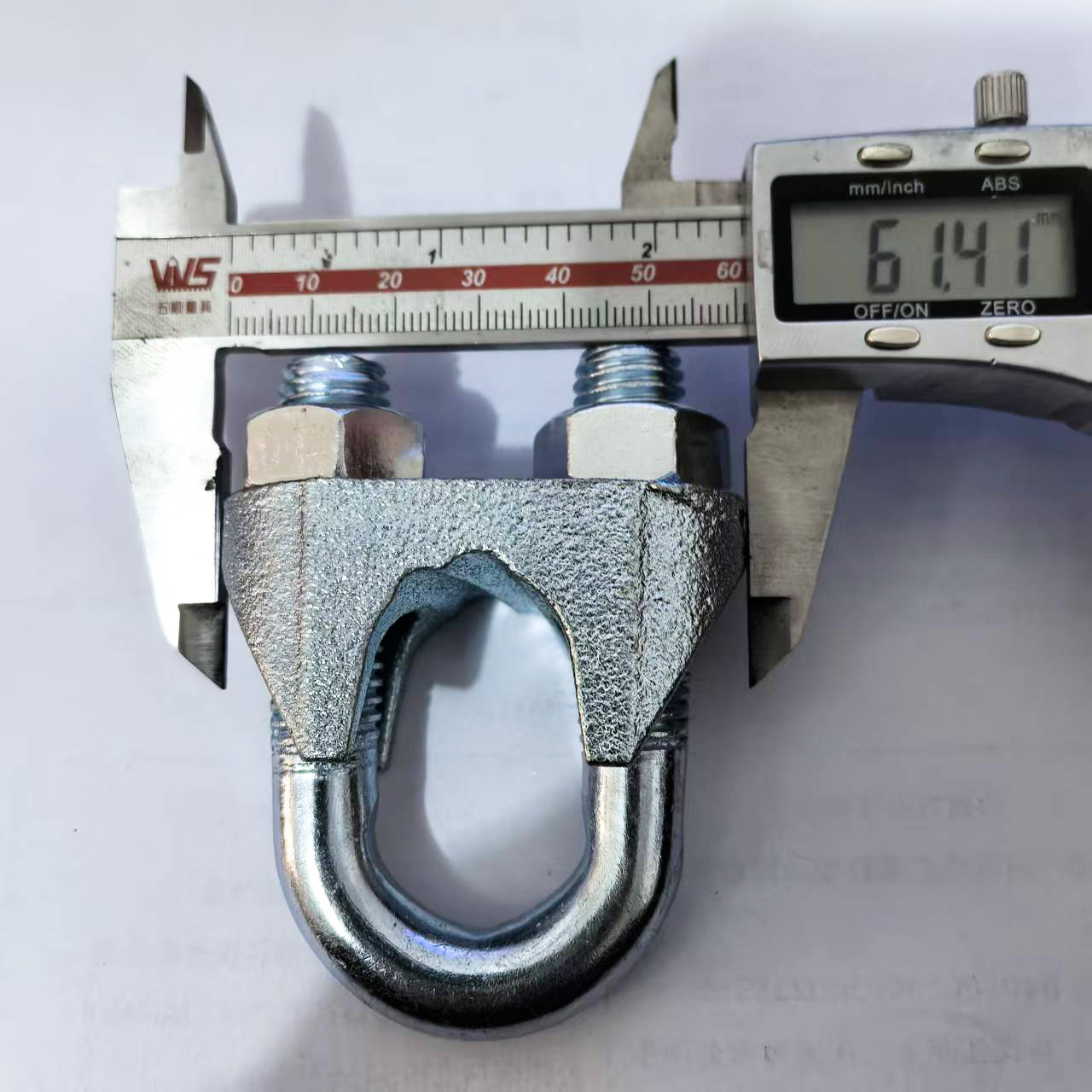
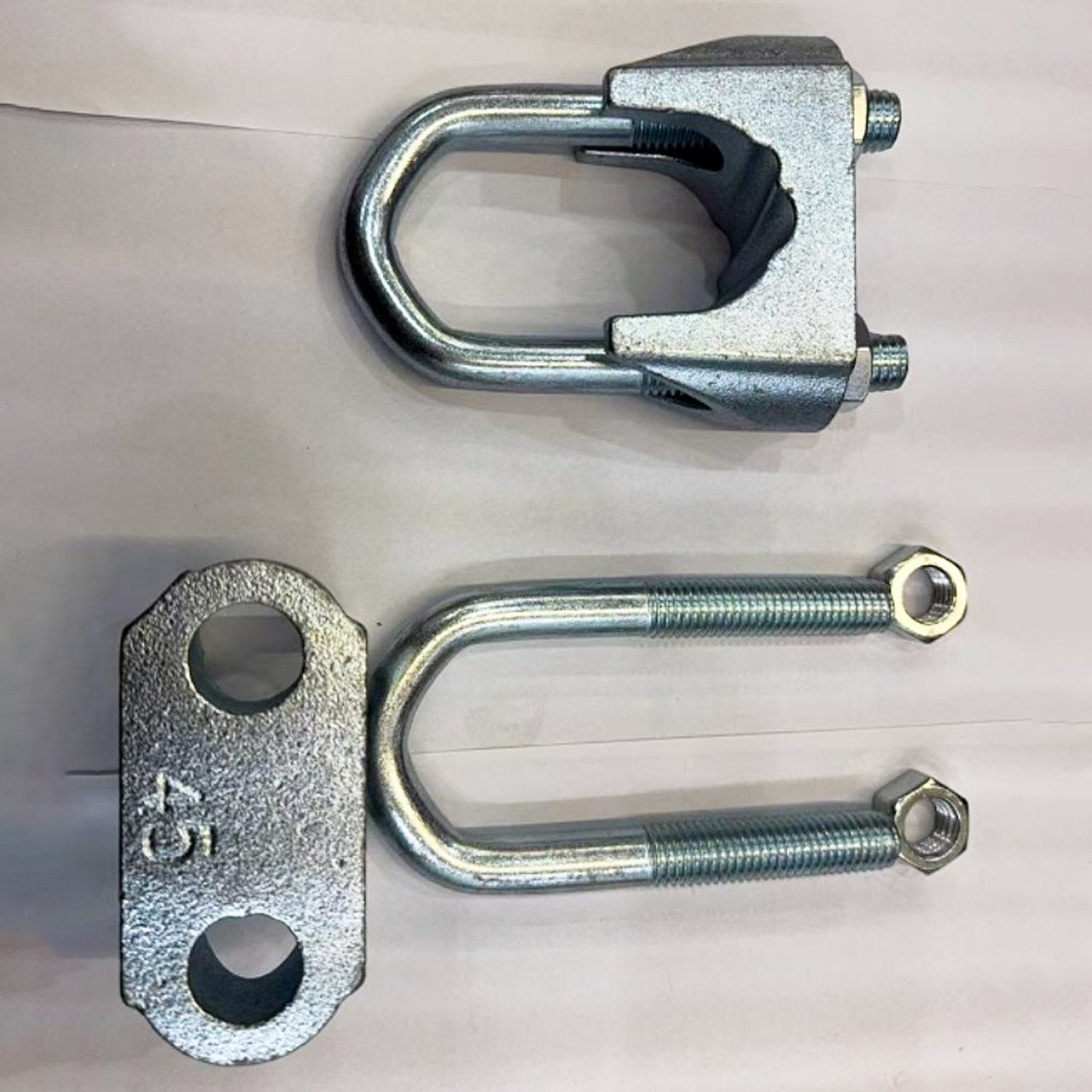
At Glorex, we manufacture both the standard galvanized malleable version and the DIN741 stainless steel wire rope clamp for applications demanding superior corrosion resistance. The dimensional tolerances remain identical—only the material changes.

Material Selection: Galvanized vs. Stainless Steel
This is where most buyers make costly mistakes. Let's break it down practically:
| Factor | Galvanized Malleable Iron | Stainless Steel (304/316) |
|---|---|---|
| Corrosion Resistance | Moderate | Excellent |
| Cost per Unit | Lower | 2-4x higher |
| Temperature Range | -20°C to 150°C | -60°C to 400°C |
| Chemical Exposure | Poor | Excellent |
| Typical Applications | Construction, general rigging | Marine, food processing, chemical plants |
The rule of thumb: If the rope itself is stainless, the clamp should be too. Mixing materials creates galvanic corrosion at the contact point, weakening both components.
Installation: Where Most Failures Originate
We've analyzed returned clamps from distributors, and the pattern is consistent—improper installation causes more failures than manufacturing defects. Here's the correct sequence:
Position the U-bolt over the dead end (short end) of the rope, not the live load-bearing section
Place the saddle on the live end, ensuring the grooves align with the rope's lay direction
Tighten nuts evenly in a cross pattern—not one side fully, then the other
Apply 75-80% of full torque, load the rope, then complete torque to specificationRe-check after 24 hours of service; rope settles and clamps loosen
Critical detail: The number of clamps required follows the formula: minimum 3 clamps for rope diameters under 19mm, 4 clamps for 19-32mm, and 5+ for larger sizes. Spacing between clamps should be 6-7 rope diameters.
Torque Specifications You Can Trust
Generic torque charts often ignore material differences. Here's our factory-tested data for stainless steel wire rope clamps:
| Rope Diameter | Nut Size | Recommended Torque |
|---|---|---|
| 6mm | M5 | 8-10 Nm |
| 10mm | M6 | 15-18 Nm |
| 13mm | M8 | 30-35 Nm |
| 16mm | M10 | 50-55 Nm |
| 22mm | M12 | 85-90 Nm |
| 32mm | M16 | 180-200 Nm |
Over-torquing crushes the rope strands; under-torquing allows slippage. Neither is acceptable.
Applications Across Industries
Marine & Offshore
Stainless steel clamps resist saltwater immersion, making them standard equipment on mooring lines, anchor rodes, and cargo securing systems. SS316 is preferred for extended salt spray exposure.
Mining Operations
Dragline and hoist rope terminations require clamps that maintain grip despite vibration and shock loading. The malleable iron base absorbs impact better than rigid cast alternatives.
Construction & Lifting
Temporary guying, tie-downs, and fall protection systems rely on wire rope clamps for quick, reliable connections. Note that most safety codes prohibit clamps for permanent overhead lifting.
Agricultural & Fencing
Tensioning fence wire and securing livestock enclosures—applications where galvanized clamps offer sufficient durability at lower cost.

About Glorex
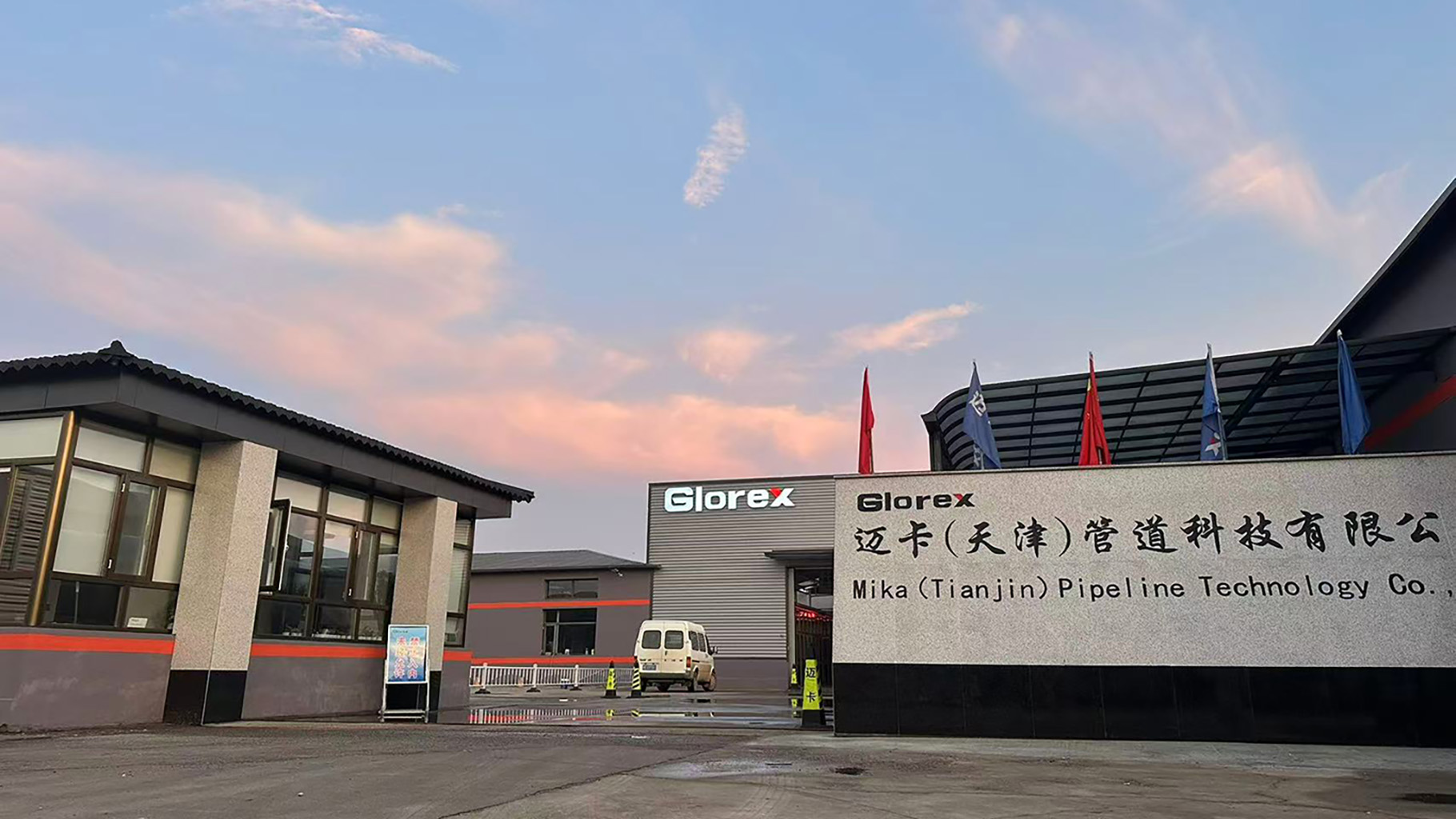
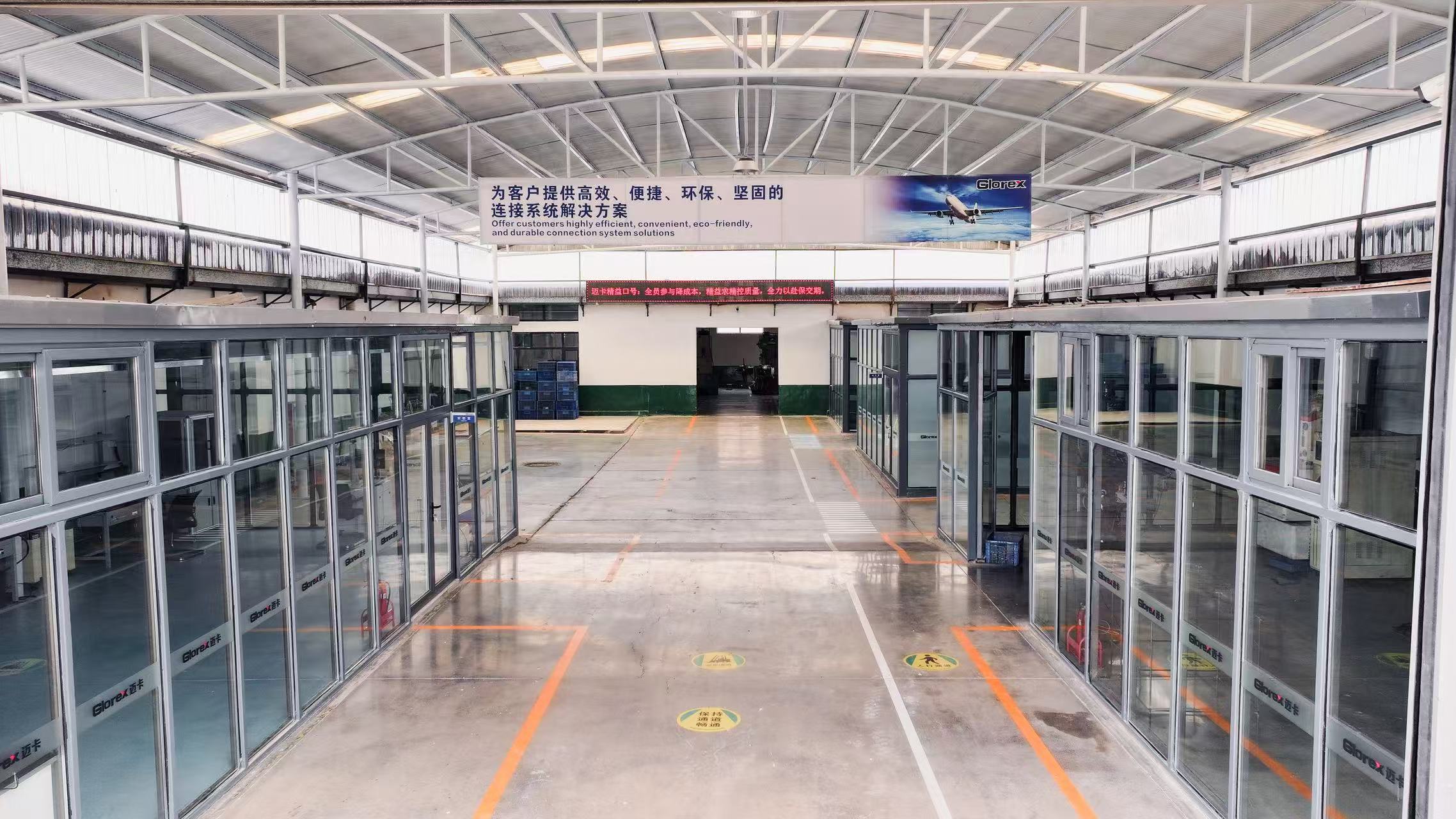
Glorex operates a dedicated manufacturing facility in Tianjin, China, producing wire rope clamps, rigging hardware, and hydraulic fittings for distributors and OEM clients across 40+ countries. Our DIN741 clamps are available in galvanized malleable iron, carbon steel, and stainless steel configurations.
Why clients choose us:
Factory-direct pricing without trading company markup
ISO9001 certified production processes
OEM branding and custom packaging available
Technical support for specification questions
Stock inventory for immediate shipment on standard sizes
We don't claim to be the largest manufacturer—we focus on being the most responsive and consistent partner for mid-volume buyers who value quality over lowest-bid pricing.


Frequently Asked Questions
Q: Can I use a galvanized clamp with stainless steel rope?
A: Technically yes, but expect accelerated corrosion at the contact point. The zinc coating will sacrifice itself to protect the stainless, depleting quickly in wet environments. For long-term installations, match materials.
Q: How many times can I reuse a wire rope clamp?
A: Clamps can be reused if threads aren't damaged and the saddle shows no deformation. However, never reuse clamps that have experienced a load event or drop. Inspect threads with a gauge before reinstallation.
Q: Do you offer sizes beyond 50mm?
A: Our standard range covers 3mm to 50mm. For larger sizes, we can produce custom tooling—contact us with specifications for lead time and minimum quantities.
Q: Can you provide samples for testing?
A: Yes, we offer free samples for evaluation. For custom configurations or large quantities, we may request reimbursement of courier costs.
Q: How do you handle shipping damage claims?
A: All shipments are photographed before loading. If damage occurs in transit, we'll work with you to file claims and expedite replacement stock. Our packaging—kraft cartons with woven bag reinforcement on pallets—minimizes transit risk.
Hot Selling Products



Post time: Oct-14-2026


