



When it comes to securing exhaust systems, the choice of clamp is far from trivial. The intense heat, constant vibration, and corrosive condensation from combustion gases demand a fastening solution that goes beyond standard hardware. This is where stainless steel exhaust clamps prove their worth. Designed for longevity and reliability, these clamps are the unsung heroes of automotive, marine, and industrial exhaust lines, ensuring that every connection remains tight and safe under the most extreme conditions.
Why Stainless Steel? The Material Advantage
Exhaust systems are harsh environments. Carbon steel clamps, even with a coating, are prone to rust and failure after repeated thermal cycles. Stainless steel, particularly grades like 304 and 201, offers a crucial edge:
Superior Corrosion Resistance: 304 stainless steel contains higher nickel and chromium content, providing excellent protection against the acidic moisture found in exhaust gases. This makes it the preferred material for high-end automotive and marine exhausts.
High-Temperature Strength: Unlike galvanized or zinc-plated clamps, stainless steel retains its structural integrity at elevated temperatures, preventing the clamp from loosening or fracturing over time.
Long-Term Cost Efficiency: While the initial cost is higher than mild steel, a stainless steel clamp rarely needs replacement, saving on labor and downtime. This is why professionals often choose heavy-duty stainless exhaust clamps for critical installations.

Key Design Features of a Robust Exhaust Clamp
A high-quality exhaust clamp is more than just a strip of metal. The design details dictate its performance. Drawing from the engineering of top-tier products, here are the essential features:
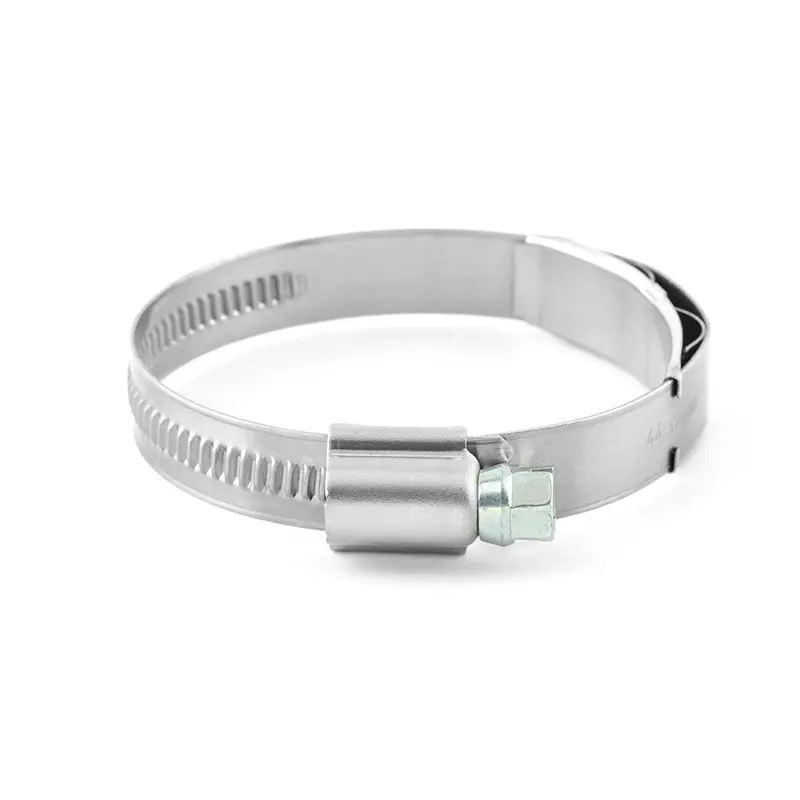
Perforated Band Design: The slotted band allows for a worm drive mechanism to provide a uniform, 360-degree clamping force. This design is crucial for creating a leak-proof seal on both flexible and rigid exhaust pipes.
One-Piece Housing: A durable, one-piece housing prevents the screw mechanism from separating under stress, ensuring the clamp remains functional even after multiple adjustments.
Wide Bandwidth: For exhaust applications, a wider band (often 12mm or more) distributes clamping pressure over a larger area. This reduces the risk of deforming thin-walled pipes while providing a more secure hold.
Versatile Drive Options: Many stainless exhaust clamps are designed to accept multiple tool types (screwdriver, socket, or wrench), allowing for quick and easy installation in tight engine bays.
https://www.glorexclamp.com/heavy-duty-stainless-steel-v-band-clamp-for-exhaust-coupling-product/
Critical Applications for Stainless Steel Exhaust Clamps
While the Heavy Duty Hose Clamps is a staple in auto repair shops, its utility extends far beyond:
Automotive Exhaust Systems: From the catalytic converter to the muffler, these clamps connect various sections of the exhaust pipe, ensuring a sealed system that reduces noise and directs fumes safely away.
Marine Exhaust Lines: In boats, the combination of saltwater and engine heat is particularly destructive. 304 or 316 stainless steel clamps are essential to prevent premature failure in this environment.
Industrial Piping: They are used to secure flexible metal hoses or expansion joints in industrial exhaust, fume extraction, and ventilation systems.
Turbocharger Connections: The extreme heat generated by turbochargers requires clamps that can withstand constant thermal expansion and contraction, making stainless steel the only reliable choice.

How to Choose the Right Stainless Steel Exhaust Clamp
Selecting the correct clamp for your project involves more than just matching the pipe diameter. Consider these factors:
Material Grade: For basic automotive use, 201 stainless steel offers a good balance of cost and corrosion resistance. For marine or high-humidity environments, opt for 304 SS or even 316 SS for maximum durability.
Band Width and Thickness: Thicker, wider bands offer greater strength and are less likely to dig into the pipe under high torque.
Size Range: Ensure the clamp's adjustable range precisely covers your pipe's outer diameter. A clamp that is too large will not tighten evenly.

Installation Tips for Optimal Performance
To get the most from your stainless exhaust clamp, follow these practical steps:
Clean the Pipe: Remove any rust, dirt, or old gasket material from the pipe surface to ensure a proper seal.
Position Correctly: Place the clamp over the joint, centering it over the overlap of the two pipes.
Tighten Evenly: Tighten the screw gradually, alternating sides if using a band clamp, to apply even pressure. Over-tightening can deform the pipe, so use a torque wrench if possible.
Re-Tighten After Heat Cycle: Exhaust systems expand when hot. After the system has been brought to temperature and cooled down, it’s good practice to re-check and re-tighten the clamp to account for any settling.


Why Choose Glorex for Your Clamping Needs?
For a reliable source of high-performance clamps, exploring the offerings from a reputable manufacturer is key. The product range available at Glorex demonstrates a commitment to quality and versatility. Their stainless steel clamps are manufactured with precision, offering a choice of materials (304 SS, 201 SS, and galvanised steel) to match both your performance requirements and budget.
Whether you need a clamp for a simple plumbing repair or a demanding industrial exhaust line, the robust construction and polished finish of Glorex clamps ensure a lasting, professional-grade seal. To browse a comprehensive selection of clamps suitable for gas, oil, and water lines, visit their product page at Glorex Products . Investing in a high-quality clamp is a small price for the peace of mind that comes with a secure and durable connection.
Media Contact:
Glorex Sales Department
Email: cathy@mikaclamp.com
Phone: 0086-18322014703
Website: Glorex Clamp


Hot Selling Products


Post time: Jul-21-2026


