



In an era where smart sensors and composite materials often dominate engineering headlines, a quietly essential component is experiencing a renaissance: the galvanised iron worm drive hose clamp. Industry data from the first half of 2026 shows a steady 8.3% year‑over‑year increase in orders for this classic fastening solution, driven by renewed focus on cost‑effective corrosion protection across agriculture, marine, construction, and automotive aftermarket sectors.
While stainless steel variants have long been favoured for high‑end applications, the galvanised iron worm drive hose clamp is carving out a distinct niche where mechanical strength, galvanic compatibility, and budget efficiency must coexist. Manufacturers are now enhancing traditional hot‑dip galvanising processes with zinc‑aluminium alloy coatings, pushing salt‑spray resistance beyond 500 hours without sacrificing the ductility that makes worm‑drive designs so forgiving during installation.
Why Galvanised Iron Remains Irreplaceable
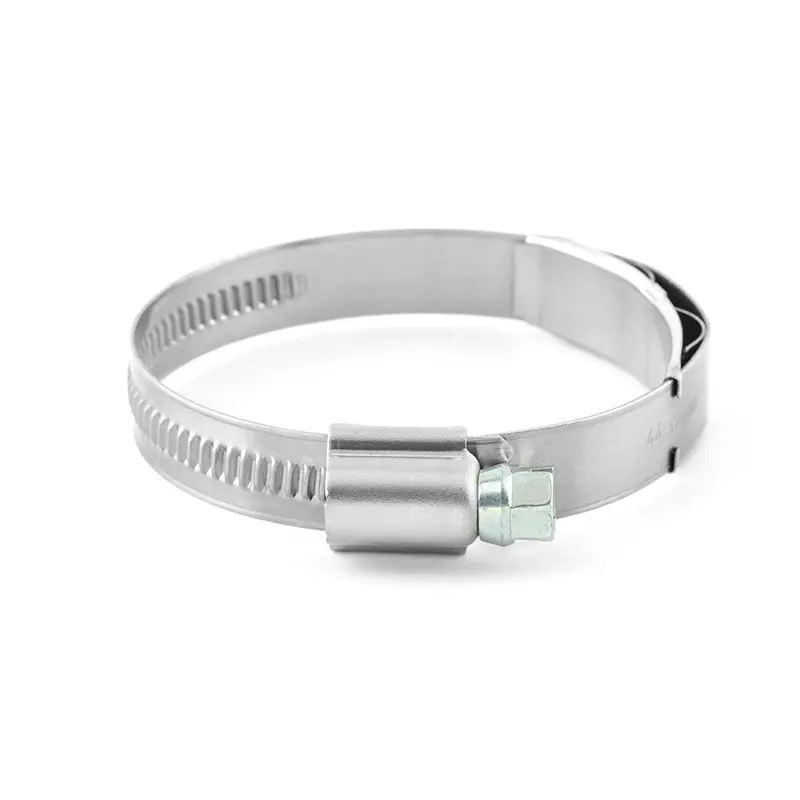
The worm drive mechanism – a slotted band with interlocking threads driven by a screw – delivers uniform compression around flexible hoses, preventing leaks under vibration and thermal cycling. When the band and housing are fabricated from low‑carbon steel and subsequently galvanised, the resultant clamp offers three critical advantages:
1. Sacrificial Protection – The zinc layer corrodes preferentially, protecting the underlying iron even if the coating is scratched during maintenance. This self‑healing property is particularly valuable in outdoor equipment exposed to road salts and fertilisers.
2. Cost‑to‑Performance Ratio – At roughly 40‑50% of the price of equivalent 304 stainless clamps, galvanised iron units allow bulk stocking for fleet maintenance and large‑scale irrigation networks without compromising service life in moderate environments.
3. Thermal Stability – Iron’s coefficient of thermal expansion closely matches that of cast iron pipe fittings and steel tubing, reducing the risk of loosening at temperature extremes from ‑40°C to +150°C – a range commonly found in engine bays and hydraulic power packs.

Emerging Applications Driving Demand
Recent project tenders reveal that galvanised iron worm drive hose clamps are being specified not only for traditional water and air lines but also for:
Renewable energy cooling loops – Solar thermal farms use them to secure collector hoses, where UV degradation of polymers is a bigger concern than internal corrosion.
Dust extraction systems – In woodworking and grain handling, the clamp’s smooth internal band (with minimal burrs) reduces particle entrapment, a feature now highlighted in new ISO 9223‑compliant product datasheets.
Off‑highway vehicles – Construction machinery OEMs are reverting to galvanised finishes for auxiliary coolant hoses after field tests showed superior resistance to stone‑chip impact compared to painted or plated alternatives.
Market Prospects And Procurement Considerations For Zinc-Plated Carbon Steel Hose Clamps
Analysts at Frost & Sullivan project the global worm drive hose clamp market to reach USD 1.2 billion by 2028, with the galvanised iron segment growing at a CAGR of 6.1% – outpacing stainless steel and plastic variants in developing economies. However, procurement professionals are advised to scrutinise three key quality indicators:
Coating weight – Minimum 85 g/m² (per ASTM A153) for outdoor use; lower weights are acceptable for interior applications.
Band perforation pattern – Unperforated bands offer better sealing for high‑vacuum systems, while perforated bands provide greater flexibility for soft silicone hoses.
Screw material – Zinc‑plated carbon steel screws are standard, but for marine environments, suppliers now offer stainless‑steel screws with galvanised bands – a hybrid solution that balances cost and corrosion resistance where it matters most.

Installation Best Practices for Longevity
To extract maximum service life from a galvanised iron worm drive hose clamp, engineers recommend a two‑step tightening procedure: first torque to 50% of the recommended value, allow the hose to relax for two minutes, then apply final torque. This technique compensates for cold‑flow compression of elastomeric hoses and prevents over‑stressing the galvanised coating. Routine inspections should focus on the screw housing – the most common failure point – where galling can be mitigated by applying a thin film of anti‑seize compound during assembly.


Conclusion
The galvanised iron worm drive hose clamp is far from a relic; it is a refined workhorse adapting to modern demands through smarter coatings, precision thread rolling, and hybrid material strategies. As industries balance performance with sustainability – zinc is 100% recyclable – this humble component is poised to secure hoses in everything from desert solar arrays to Arctic drilling rigs for decades to come.
For engineers and purchasers seeking a reliable, off‑the‑shelf clamping solution that delivers proven performance without premium pricing, the galvanised iron worm drive hose clamp remains the definitive choice. With new ISO certifications and enhanced corrosion data now available, the time to revisit this classic fastener has never been more opportune.


About Glorex
Glorex is a premier manufacturer and supplier of high-quality clamps, tube bundles, and pipeline support systems. With a strong focus on innovation, quality, and customer service, Glorex provides engineered solutions for various industries, including construction, infrastructure, and industrial piping. The company is dedicated to advancing pipeline safety and efficiency through superior product design and manufacturing excellence.
Media Contact:
Glorex Sales Department
Email: cathy@mikaclamp.com
Product Link: v band exhaust clamp


Hot Selling Products




Post time: Jun-24-2026


