



Introduction
Wire rope clips are deceptively simple components. A U-bolt, a saddle, two nuts—yet the consequences of choosing the wrong type or installing them incorrectly can be severe. Among the various options available, zinc-plated steel U bolt wire rope clips occupy a practical middle ground: they offer meaningful corrosion protection at a fraction of the cost of stainless steel, making them the default choice for many outdoor and industrial applications.
This article examines what makes zinc-plated clips different from their untreated counterparts, when they make sense for your project, and how to get the most out of them in real-world conditions.
What Sets Zinc-Plated Clips Apart
The distinction between a standard galvanized clip and a zinc-plated one often gets blurred in product listings. In practice, the difference matters:
Electroplating vs. Hot-Dip Galvanizing
Zinc-plated (electroplated) clips receive a thinner zinc coating—typically 5–15 microns—applied through an electrolytic process. This produces a smooth, uniform finish with good appearance. Hot-dip galvanizing, by contrast, creates a thicker, more irregular coating (often 40–80 microns) that sacrifices aesthetics for durability.
For wire rope clips, electroplating offers several advantages:
Consistent thread tolerances (thick hot-dip coatings can interfere with nut travel)
Cleaner appearance for visible installations
Adequate protection for intermittent outdoor exposure
Lower cost than hot-dip or stainless alternatives

The DIN741 Standard
The DIN741 specification governs dimensions, material properties, and testing requirements for wire rope clips used across Europe and increasingly in global markets. A clip meeting this standard—like those available through Glorex's DIN741 product line—ensures dimensional compatibility and predictable performance.
Malleable iron, the standard base material for DIN741 clips, offers better ductility than gray cast iron. This matters because clips can experience impact loads during installation and service; a brittle base risks cracking under stress.
Size Range and Dimensional Considerations
Zinc-plated U bolt clips typically cover wire rope diameters from 3mm (1/8") up to 50mm (2"). The table below summarizes common sizes and their key dimensions:
| Wire Rope Dia. (mm) | Inches | A (mm) | B (mm) | C (mm) | D (mm) |
|---|---|---|---|---|---|
| 3 | 1/8 | 9 | 10 | 12 | 4 |
| 6 | 1/4 | 13 | 12 | 15 | 5 |
| 10 | 3/8 | 19 | 18 | 22 | 8 |
| 13 | 1/2 | 24 | 23 | 30 | 10 |
| 19 | 3/4 | 37 | 33 | 44 | 14 |
| 26 | 1 | 48 | 37 | 50 | 16 |
| 40 | 1 1/2 | 56 | 45 | 60 | 16 |
Dimensions correspond to standard DIN741 configurations.
Selecting the correct size is straightforward: match the clip to the wire rope diameter. Oversized clips won't achieve proper clamping force; undersized clips won't fit over the rope.

Corrosion Performance: What to Realistically Expect
Zinc plating protects steel through two mechanisms: barrier protection (the zinc coating physically separates steel from moisture) and sacrificial protection (zinc corrodes preferentially when the coating is breached).
Service Life Factors
The actual lifespan of a zinc-plated clip depends heavily on environment:
- Indoor/dry conditions: Indefinite service life
- Intermittent outdoor exposure: 2–5 years before visible corrosion
- Marine or chemical environments: 6–18 months; consider stainless steel alternatives
- High-humidity industrial settings: 1–3 years
For applications where clips are inspected and maintained regularly, zinc-plated options remain cost-effective. For permanent installations in aggressive environments, the Stainless Steel Wire Rope Clamp series offers superior longevity.
Installation: Getting It Right
The performance of any wire rope clip depends on proper installation. Key steps:
Position the U-bolt over the dead end (short end) of the rope
Place the saddle on the live end (long end)
Tighten nuts evenly, alternating sides to maintain alignment
Torque to specification—typically 50% of the recommended torque, then full torque after the rope settles
Re-torque after initial load—rope elongation reduces clamping force
Critical Note: Wire rope clips create temporary or semi-permanent connections. For overhead lifting or life-safety applications, local regulations may require swaged sleeves or other permanent terminations. Always verify compliance before specifying clips for critical applications.
Conclusion
Zinc-plated steel U bolt wire rope clips deliver dependable performance for a wide range of rigging applications—provided they're correctly sized, properly installed, and matched to the environment. For projects requiring a balance of cost, corrosion resistance, and availability, they remain a practical choice.
For specifications, samples, or pricing on DIN741 clips, contact our team directly. We respond to inquiries within 24 hours.


About Glorex
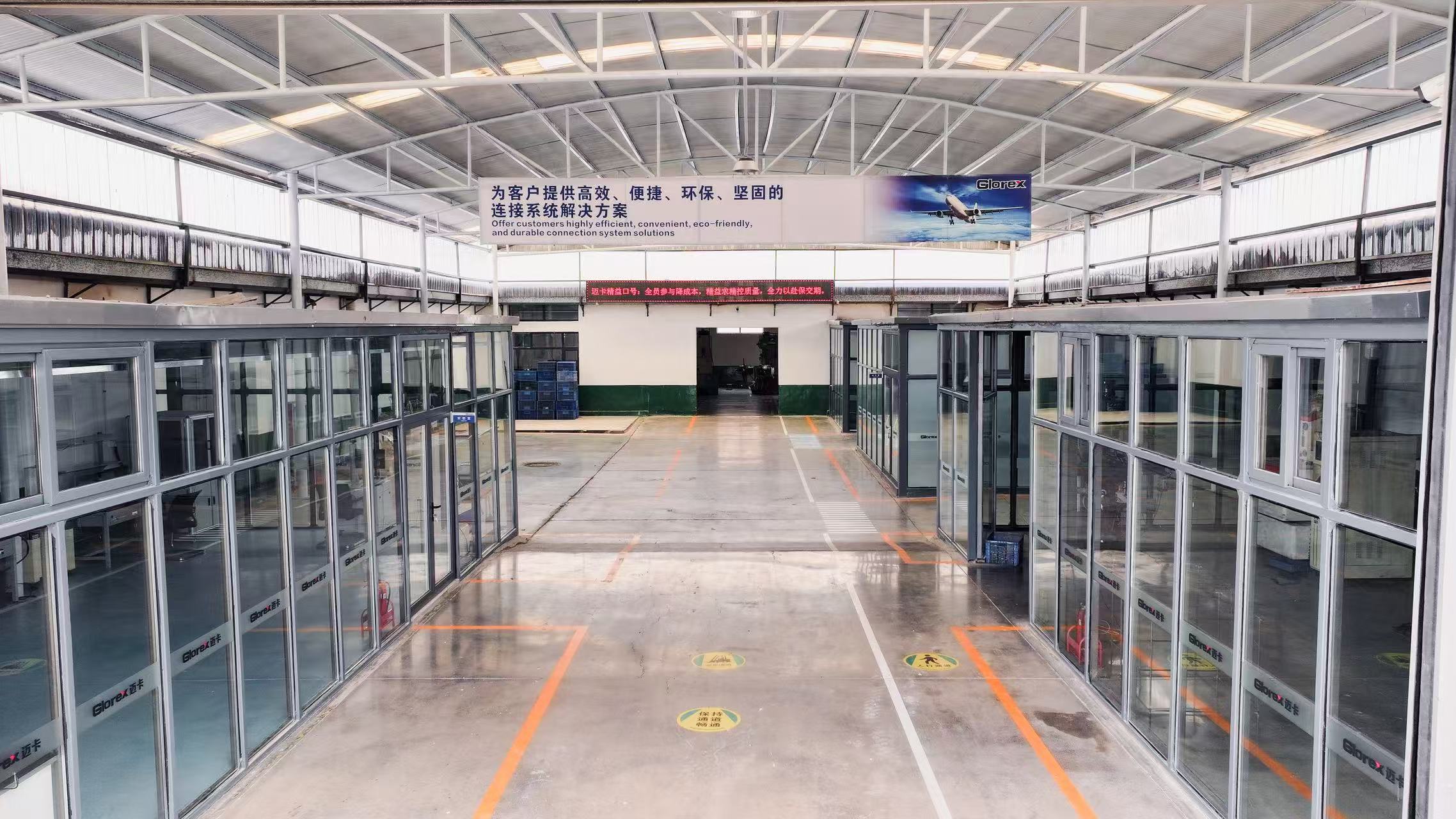
Glorex operates a dedicated manufacturing facility in Tianjin, China, producing rigging hardware for distributors, OEMs, and industrial end-users worldwide. Our DIN741 wire rope clips undergo full dimensional inspection and material verification before shipment.
Our capabilities:
Factory-direct pricing with no intermediary markups
Stock availability on standard sizes for immediate shipment
OEM branding and custom packaging
Technical support for specification questions
ISO9001-certified quality management
We serve customers in construction, marine, mining, and agricultural sectors who need reliable hardware without premium pricing.


FAQ
Q: What's the difference between zinc-plated and galvanized wire rope clips?
A: "Zinc-plated" typically refers to electroplating, which produces a thinner, smoother coating. "Galvanized" often means hot-dip galvanizing, which creates a thicker, more durable but less uniform coating. Both offer corrosion protection; hot-dip lasts longer in harsh environments, while electroplating provides better thread tolerances.
Q: Can I use these clips for overhead lifting?
A: Wire rope clips are generally intended for temporary or semi-permanent connections. For overhead lifting or applications involving human safety, consult local regulations—permanent terminations like swaged sleeves are often required.
Q: How many clips should I use per termination?
A: The general rule is a minimum of two clips for light loads, three for moderate loads, and additional clips for critical applications. Spacing between clips should be approximately 6 times the rope diameter. Always follow engineering specifications for your specific application.
Q: Do you offer samples?
A: Yes. We provide free samples for evaluation. For custom sizes or configurations, we can produce samples according to your drawings.
Q: What's the typical lead time?
A: Stock items ship within 10–20 days after deposit. Custom orders depend on quantity and specifications; we'll confirm timelines upon inquiry.
Q: Can you produce clips to non-standard dimensions?
A: Yes. As an OEM manufacturer, we routinely produce custom rigging hardware. Share your specifications or drawings, and we'll provide a quote.
Hot Selling Products


Post time: Sep-04-2026


