




When exhaust components heat up, cool down, and shake relentlessly, ordinary clamps often struggle to keep things tight. That is where T bolt exhaust clamps earn their reputation. Designed to handle extreme conditions, these clamps deliver reliable sealing for exhaust pipes, radiator hoses, and industrial piping—even when vibration and thermal expansion are working against you.
If you have ever dealt with a loosening clamp or a persistent exhaust leak, this article will help you understand why spring-loaded T-bolt clamps are a smarter long-term solution.
Why Exhaust Systems Need More Than a Basic Clamp
Exhaust systems operate under brutal conditions. Metal expands when hot and contracts when cool. Engine vibration constantly works at every joint. Over time, a standard clamp can lose its grip, allowing leaks to develop. These leaks do not just create noise—they can affect engine performance, trigger warning lights, and lead to costly repairs.
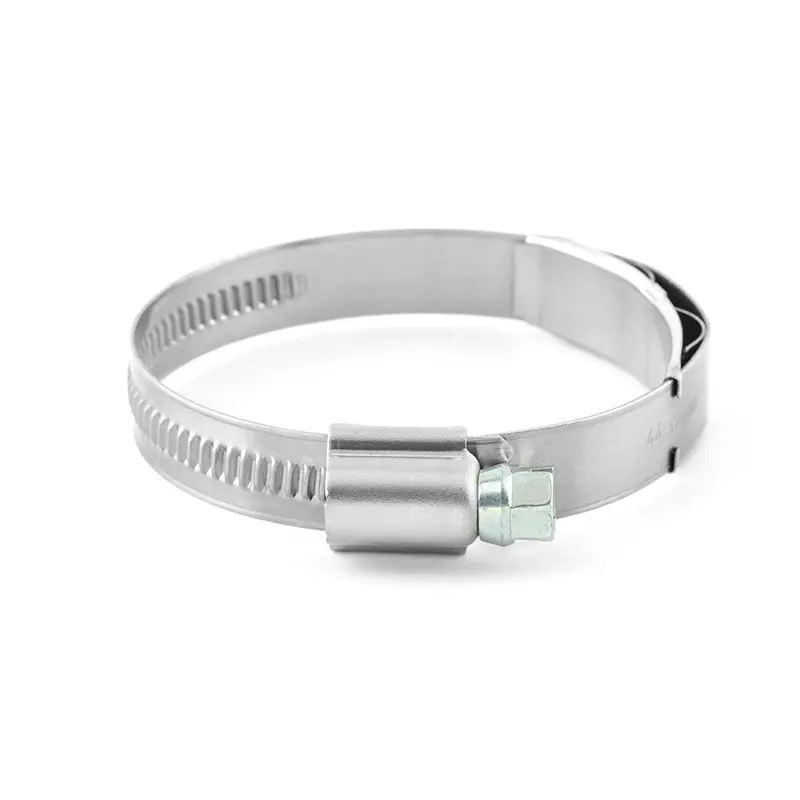
A heavy duty T bolt clamp solves this by applying strong, even pressure across the connection. The T-bolt design distributes force more uniformly than worm-gear clamps, reducing the chance of deformation or slippage.

What Makes Spring-Loaded T-Bolt Clamps Different
Traditional T-bolt clamps are already a step up from basic hardware. But spring-loaded versions take it further.
The key difference is the integrated coil spring. As the exhaust pipe or hose changes size due to heat cycling, the spring automatically adjusts tension. This self-compensating action keeps clamping force consistent—without requiring manual retightening.
For anyone who has crawled under a vehicle to tighten a loosened clamp, this feature alone is worth the upgrade.
Built for Real-World Conditions
These pipe clamps are not just for show. They are engineered for environments where failure is not an option:
High-temperature engine bays where heat cycling is constant
Heavy trucks and off-road equipment that endure relentless vibration
Industrial exhaust and drainage systems that run for long hours
Agricultural irrigation lines exposed to weather and mechanical stress
The combination of stainless steel construction and a spring-loaded mechanism means these clamps hold up where standard options fall short.
Material Options That Match Your Application
Not every exhaust system faces the same conditions. That is why these pipe clamps come in two material grades:
W2 Grade: 201 or 304 stainless steel bands with galvanized iron hardware. A solid choice for general automotive and industrial use.
W4 Grade: Full 304 stainless steel construction, including the spring, screw, and nut. Ideal for wet, corrosive, or outdoor environments.
Both options feature polished stainless steel surfaces for improved corrosion resistance and a clean finish.
Where T Bolt Exhaust Clamps Perform Best
These clamps are versatile, but they truly shine in applications where vibration and temperature swings are part of daily operation:
Vehicle exhaust systems and radiator hose connections
Heavy truck fluid lines and engine intake piping
Industrial process piping and drainage systems
Agricultural machinery and irrigation networks
Marine engine hoses and military vehicle piping
For diesel engines and high-performance racing applications, the spring-loaded design helps maintain a consistent seal even under extreme stress.

Installation and Reusability
One practical advantage of these clamps is how easy they are to work with. The T-bolt structure allows for quick fastening with standard hand tools. There is no need for specialized equipment.
Just as important, these clamps are reusable. With a high limit torque rating, they can be removed and reinstalled multiple times without losing clamping performance. That makes them a cost-effective choice for maintenance-heavy operations.
Sizing and Customization
Standard sizes cover hose diameters from 40mm up to 198mm, with a 19mm band width. For non-standard piping or special working conditions, custom sizes, band widths, and material thicknesses can be developed on request.
This flexibility means you are not forced to compromise—whether you are working on a small radiator line or a large industrial exhaust system.

Final Thoughts
Exhaust leaks and loosening clamps are more than an inconvenience. They can lead to downtime, performance issues, and unnecessary maintenance costs. T bolt exhaust clamps with a spring-loaded design offer a practical solution that addresses the root causes of clamp failure: vibration, thermal expansion, and constant movement.
If you are looking for a clamp that holds tight, lasts long, and requires less attention over time, spring-loaded T-bolt clamps are worth serious consideration.
Explore the product here:


About Us
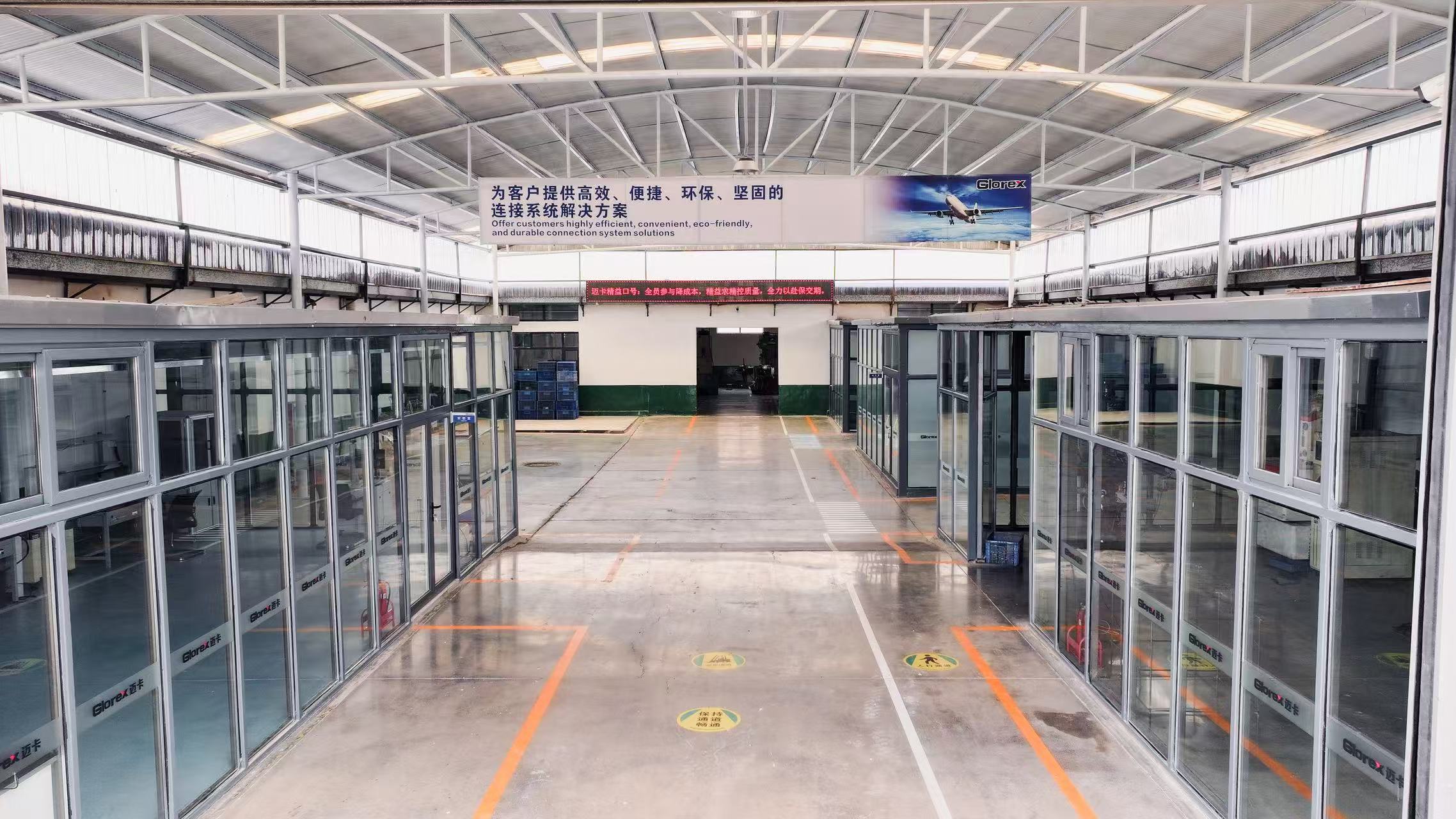
Glorex is backed by Mika (Tianjin) Pipeline Technology Co., Ltd., a China-based manufacturer of stainless steel clamps and leak-proof pipe connection solutions. We focus on T bolt exhaust clamps, spring-loaded hose clamps, and heavy-duty clamping hardware for automotive, industrial, agricultural, and marine applications.
We support standard sizes, custom dimensions, and W2/W4 material options to match different corrosion and strength needs. Our engineering, production, and after-sales teams stay involved from inquiry to delivery, so customers get practical support, consistent quality, and clamps that fit right and hold tight.
From exhaust systems and radiator lines to irrigation networks and industrial piping, we help keep connections secure under vibration, heat, and pressure.


FAQ
What are T bolt exhaust clamps mainly used for?
They are used to secure exhaust pipes, radiator hoses, intercooler piping, and other connections that face heat, vibration, and pressure changes. The T-bolt design provides a strong, even grip, making it a good fit for trucks, performance cars, industrial equipment, and agricultural machinery.
How do spring-loaded T-bolt clamps compare to standard T-bolt clamps?
Standard T-bolt clamps hold a fixed tension. Spring-loaded versions add a coil spring that adjusts as the pipe or hose expands and contracts. This helps maintain a tight seal when temperatures rise and fall, and it reduces the need for manual retightening later.
Do I have to retighten spring-loaded exhaust clamps?
Not usually. The spring compensates for movement on its own. That is one reason they work well in applications where vibration and heat cycling would otherwise loosen a standard clamp. It is still wise to check them during routine maintenance, but they should not need constant attention.
Which material is better for my application—W2 or W4?
It depends on where the clamp will be used. W2 is a practical choice for general automotive and industrial use, with stainless steel bands and galvanized hardware. W4 uses full 304 stainless steel, including the spring and screw, so it is better for wet, salty, or outdoor environments where corrosion resistance matters more.
Can T bolt exhaust clamps be reused?
Yes. Quality clamps are made to be removed and reinstalled more than once. As long as the clamp is not damaged or over-torqued, it should keep its clamping performance. That makes them a cost-effective option for maintenance and repairs.
How do I pick the right size clamp?
Measure the outside diameter of the hose or pipe where the clamp will sit, then choose a clamp range that covers that measurement. You want the clamp to fit snugly without being forced open or leaving a gap. If you are working with a non-standard size, custom options are often available.
Are these clamps only for exhaust systems?
No. They are also used on radiator hoses, charge pipes, coolant lines, and industrial piping. Anywhere you need a strong, vibration-resistant seal on a hose or pipe connection, a heavy duty T-bolt clamp can work well.
Will a T bolt clamp damage the pipe or hose?
When sized and installed correctly, it should not. The T-bolt design spreads pressure more evenly than some other clamp styles, which helps reduce pinch points. Just avoid over-tightening, and make sure the clamp is seated properly before you torque it down.
Hot Selling Products


Post time: Sep-03-2026


