



A stainless steel multi-purpose locking cable tie is usually chosen when a plastic tie is not the right fit for the job. That may be because the bundle sits near heat, because the installation is outdoors or coastal, or simply because the project needs a metal tie that holds a set diameter instead of relying on a plastic pawl. The tie is still a simple part, but the material, width and length need to match the bundle and the environment.
On this type of tie, the strap is threaded through the head and held by a stainless fastener. The locking point grips the strap, so the tie keeps the diameter you set. That fixed-diameter behaviour is useful where cables expand in summer heat or where a loose bundle would rub against a bracket, frame or pipe.


What “multi-purpose” means in practice
The phrase is often used loosely. In practice, a multi-purpose locking cable tie should handle more than one kind of fastening task without changing the basic installation method. Typical jobs include:
bundling electrical cables and wire harnesses
holding cables away from hot engine or roof-level surfaces
routing cables in cooling and heating systems
securing irrigation and industrial drainage lines
general cable management where a metal tie is preferred
It is not a substitute for a engineered clamp in every situation. If the bundle needs a defined stand-off, vibration isolation or a specific clamp profile, a pipe clamp or cable clamp may be the better part. The locking cable tie earns its place when the job is bundling and fastening, and the environment calls for stainless steel.

Material choice: SS201, SS304 or SS316
The standard choice is SS304. It covers most general cable bundling and fastening work. SS201 is available as a lower-cost option for suitable applications. SS316 is the one to consider when the tie will see coastal air, salt spray or chemical plant conditions.
| Material | Where it usually fits |
|---|---|
| SS201 | General fastening where the environment is mild and the buyer has confirmed suitability |
| SS304 | Standard cable bundling, electrical harnesses, general industrial routing |
| SS316 | Coastal areas, chemical plants and other corrosion-sensitive sites |
Material selection should come before price comparison. A tie that is adequate indoors may not be the right choice on a coastal site, and using SS316 everywhere can add cost without a real benefit. If the installation is near the sea or in a chemical plant, confirm SS316 with the supplier before ordering.


Width and length: match the bundle, not the photo
Width and length are the two dimensions that cause most order changes. Width relates to the bundle size and the level of fastening the job needs. Length has to wrap around the bundle, pass through the head and leave enough tail to install and inspect.
Available widths are 4.6 mm, 7.9 mm, 10 mm, 12 mm, 16 mm and 19 mm. Lengths run from 100 mm to 1000 mm depending on width. As a practical starting point:
4.6 mm width suits smaller harnesses and light bundling
7.9 mm and 10 mm cover many general cable bundles
12 mm, 16 mm and 19 mm are used for larger bundles and heavier fastening
For a first size check, measure the bundle circumference, add the space taken by the head and allow a workable tail. If the cable bundle runs through a tight frame or behind a panel, check access before choosing a long tail. A tie that is too short cannot be installed; one that is much too long can be cut, but the cut end still needs to be handled safely.

Installation points that affect the result
A metal stainless steel cable tie is only as good as its installation. A few checks make a difference:
1. Deburr edges before bundling. Sharp edges can damage cable insulation and stress the strap.
2. Thread the strap fully through the head. Partial engagement can reduce the locking effect.
3. Tension by hand and check the lock. Do not rely on a tool setting alone; confirm the fastener has gripped the strap.
4. Avoid over-tensioning soft cables. The tie should hold the bundle, not crush it.
5. Think about dissimilar metals. In wet or coastal conditions, contact between different metals can affect long-term condition. SS316 is the safer starting point for corrosion-sensitive sites.
6. Leave access for inspection. If the tie sits behind a panel, make sure the head can be seen or reached during maintenance.
The working temperature range is -60°C to +500°C, which is why these ties appear in engine and roof-level heat areas. That range is a material rating, not a promise that every cable inside the bundle can take the same temperature. The cable jacket and nearby components still need to be checked.

Ordering notes
Standard MOQ is 1000 pcs. Packing is 50/100 pcs per bag, and final packing can be confirmed by order. Custom sizes are available, so it helps to send the bundle diameter, width, length, material and expected environment together. That gives the supplier enough information to confirm the size instead of guessing from a photo.
For buyers comparing stainless steel cable ties, the useful questions are not only “what is the price” but “which material, which width, which length and which packing”. A clear specification reduces returns and keeps the installation moving.

About Us
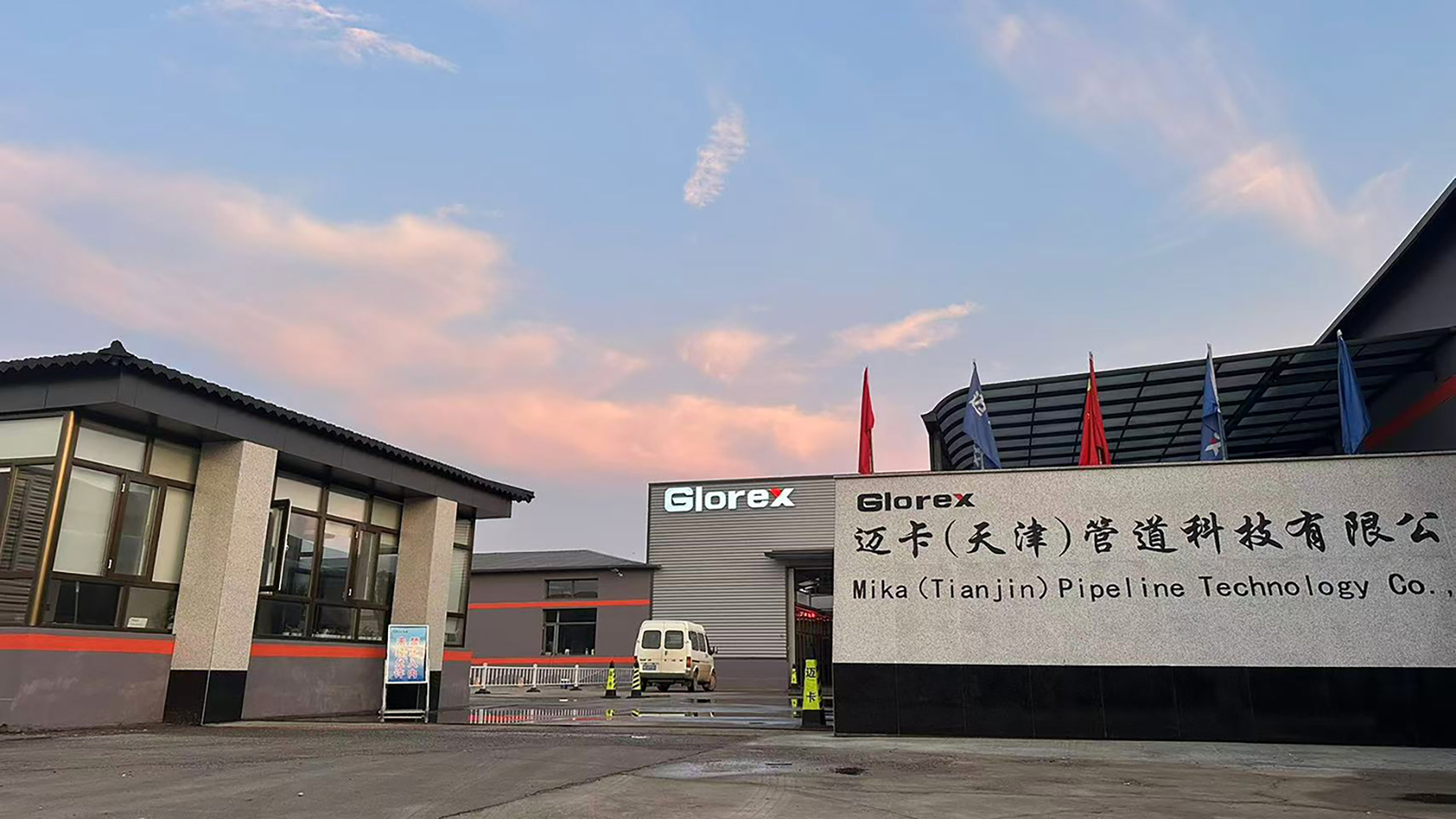
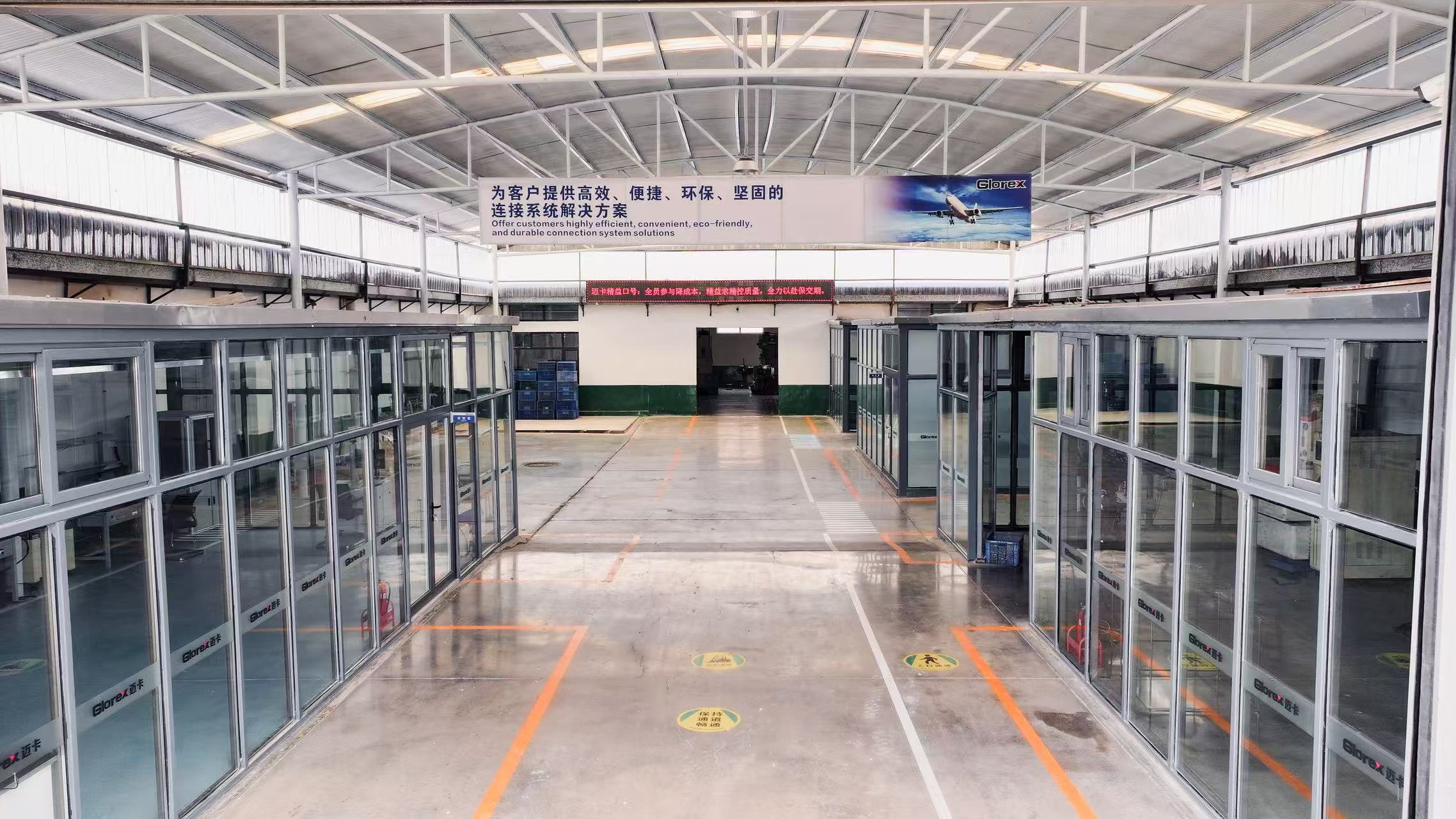
Mika (Tianjin) Pipeline Technology Co., Ltd is located in Tianjin, one of the four municipalities directly under the central government of China. We provide reliable, high-quality pipe clamp products with non-leakage sealing for automotive, military, air intake, engine exhaust, cooling and heating, irrigation and industrial drainage systems.
Our team has nearly 100 employees, including 15 pre- and after-sales staff and 8 technicians, among them 5 senior engineers. Alongside pipe clamps, we supply stainless steel cable ties for cable and wire bundling, with SS201/304/316 options, self-locking fastening, a working range of -60°C to +500°C and custom sizes. We work with a sunny, pragmatic and upward company culture, and we support customers with specification checks, production follow-up and after-sales service.


FAQ
Q1: What is a stainless steel multi-purpose locking cable tie?
It is a metal cable tie with a stainless strap and a locking head. The strap is threaded through the head and held by a stainless fastener, so the tie keeps a fixed diameter for cable bundling and general fastening.
Q2: Should I choose SS304 or SS316?
SS304 is the standard choice for general cable bundling. Choose SS316 for coastal areas, salt spray and chemical plants. SS201 is available as an option where the environment and application have been confirmed as suitable.
Q3: What temperature can these ties handle?
The working temperature range is -60°C to +500°C. Check the cable jacket and nearby components as well; the tie rating alone does not set the limit for the whole bundle.
Q4: What widths and lengths are available?
Widths are 4.6, 7.9, 10, 12, 16 and 19 mm. Lengths range from 100 to 1000 mm depending on width. Custom sizes are available.
Q5: What is the MOQ and packing?
MOQ is 1000 pcs. Packing is 50/100 pcs per bag; final packing can be confirmed by order.
Q6: Can I use them outdoors or near the coast?
For general outdoor use, SS304 is the usual starting point. For coastal or chemical plant conditions, choose SS316.
Q7: How do I choose the right length?
Measure the bundle circumference, add the space taken by the head and allow enough tail for installation and inspection. If access is tight, confirm the head position before ordering.
Hot Selling Products


Post time: Nov-25-2026


