



When it comes to exhaust system repairs, the smallest component often decides whether the job holds up over time. A stainless steel muffler band clamp is one of those parts. It is simple, relatively inexpensive, and yet it plays a critical role in keeping exhaust pipes sealed, quiet, and safe. This guide walks through what these clamps do, how they differ from other exhaust fasteners, and what to look for when sourcing them for automotive applications.
What Is a Muffler Band Clamp?
A muffler band clamp is a wrap-around fastening device used to join two sections of exhaust pipe. Unlike traditional U-bolt clamps that crush the pipe, a band clamp applies even pressure around the entire circumference. The result is a sealed connection that resists leaks, vibration, and thermal expansion.
The stainless steel construction is not just a marketing detail. Exhaust systems endure extreme heat cycles, road salt, moisture, and debris. A clamp made from low-grade steel may rust through in a single season. Stainless steel, particularly grades like 304 or 316, offers significantly better corrosion resistance and maintains clamping force at high temperatures.


Why Band Clamps Are Preferred Over U-Bolt Clamps
Many mechanics still reach for U-bolt clamps out of habit. But for modern exhaust systems—especially those with thin-wall stainless tubing or aluminized steel—U-bolts can distort the pipe, creating leaks and making future disassembly difficult.
Band clamps solve this problem by distributing force across a wider surface area. The non-perforated inner band, common in German-style designs, prevents the clamp from biting into the pipe. This is especially important for:
Aftermarket cat-back exhaust systems
Diesel particulate filter (DPF) and selective catalytic reduction (SCR) lines
Marine exhaust applications where salt exposure is constant
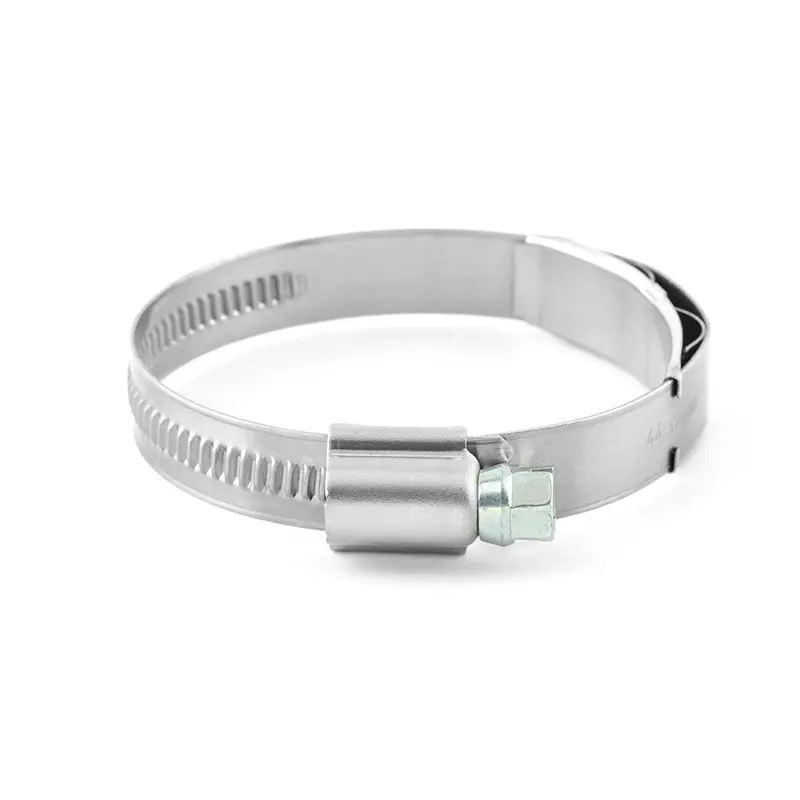
For a related product that uses a similar non-damaging sealing principle, see the German Type Hose Clamp with Handle.
Key Features to Evaluate in a Stainless Steel Muffler Band Clamp
Not all band clamps are created equal. When comparing suppliers, focus on these attributes:
Material Grade
304 stainless steel: Good general-purpose corrosion resistance
316 stainless steel: Superior chloride resistance, ideal for marine or coastal use
201 stainless steel: Economical option for dry, non-corrosive environments
Band Width and Thickness
A wider band (typically 1.5 to 2.5 inches for exhaust applications) provides more sealing surface. Thickness matters too—0.6mm is common for light-duty, while heavier gauges are better for high-vibration setups.
Bolt and Nut Quality
The fastening hardware should match the band material. A stainless band with a zinc-plated bolt will eventually fail at the bolt. Look for all-stainless construction.
Temperature Rating
Exhaust gases can exceed 1,000°F (538°C) in some systems. Verify that the clamp’s material and any internal gasket or graphite packing can handle the peak temperature of your application.

Installation Tips for Long-Lasting Sealing
Even the best clamp can fail if installed poorly. Here are practical steps:
Clean the pipe ends. Remove rust, old sealant, or burrs.
Align the pipes properly. A misaligned joint will leak no matter how tight the clamp.
Tighten evenly. If the clamp has multiple bolts, tighten in a star pattern.
Avoid overtightening. Once the band is snug and the joint is sealed, stop. Over-torquing can strip threads or deform the band.
Check after heat cycles. Exhaust systems expand and contract. Re-torque after the first few drives.
Applications Beyond Passenger Cars
While the keyword focuses on automotive exhaust, stainless steel band clamps are used in:
Light trucks and fleet vehicles
Agricultural equipment exhaust
Generator and compressor exhaust lines
Marine engine wet exhaust systems
Industrial piping where vibration is a concern
This versatility makes them a smart inventory item for distributors serving multiple industries.


About Us
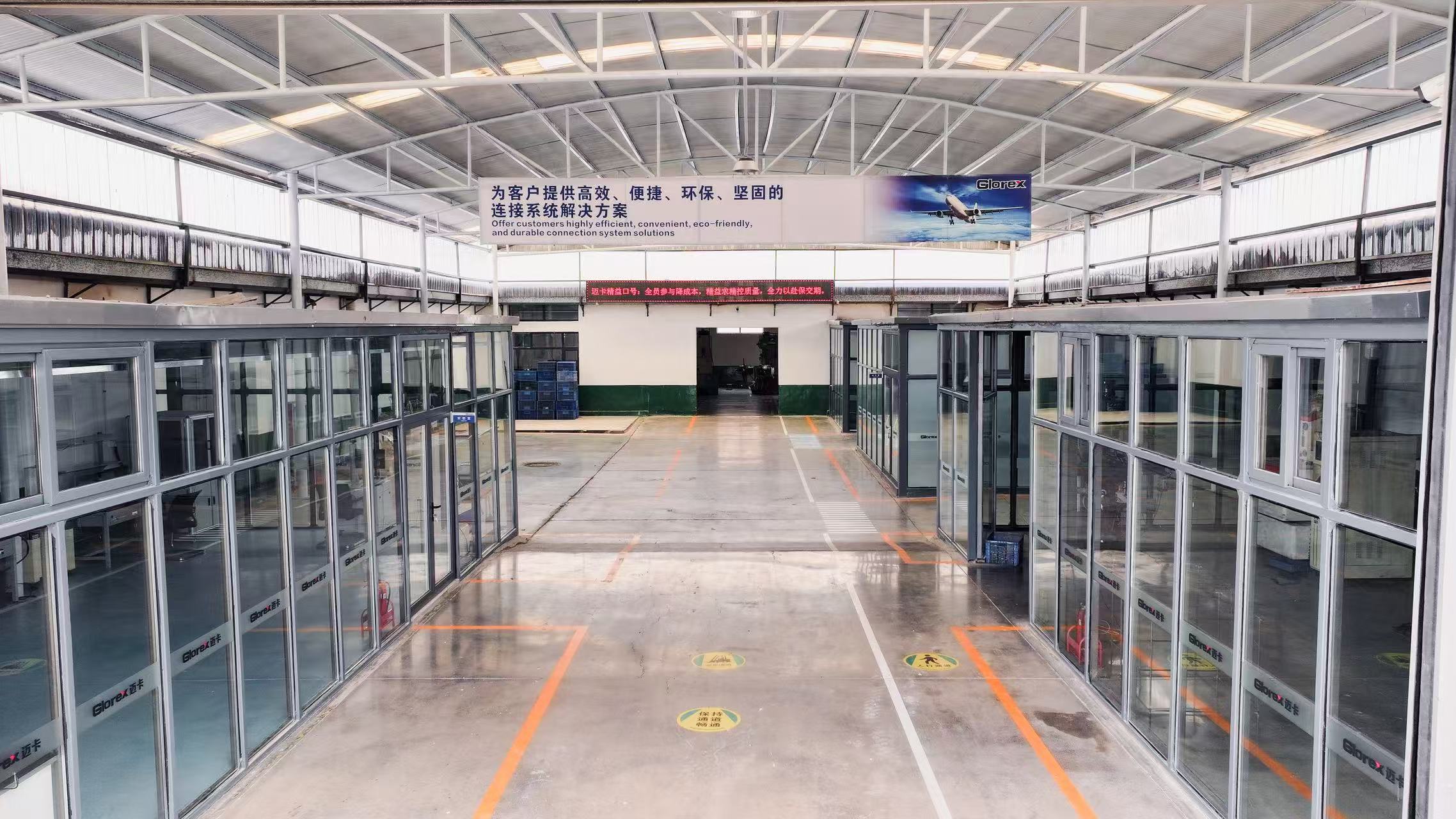
Glorex is a manufacturer of stainless steel clamps based in Tianjin, China. Our product range includes worm-drive hose clamps, German-style butterfly handle clamps, and heavy-duty exhaust band clamps. We work with automotive aftermarket suppliers, marine distributors, and industrial buyers who need consistent quality and flexible packaging.
Our factory operates a full inspection system, and we offer customization on band width, material grade, and packaging. If you are sourcing stainless steel muffler band clamps for automotive exhaust, we can provide samples and bulk pricing.


FAQS
Q: What is the difference between a muffler band clamp and a hose clamp?
A: A muffler band clamp is designed for rigid or semi-rigid exhaust pipes and handles much higher temperatures. A hose clamp is typically used for flexible rubber or silicone hoses in cooling, fuel, or vacuum systems.
Q: Can I use a stainless steel band clamp on a catalytic converter?
A: Yes, provided the clamp is rated for the temperature. Catalytic converters run very hot, so 304 or 316 stainless steel is recommended.
Q: How do I choose the right diameter?
A: Measure the outside diameter of the pipe you are joining. The clamp’s working range should include that measurement. When in doubt, choose a clamp that sits near the middle of its range for best sealing.
Q: Do band clamps require a gasket?
A: Some do, especially if the pipe joint is not perfectly smooth. Many modern band clamps use a graphite or metal gasket integrated into the band. Check the product specification.
Q: Are Glorex clamps available in custom sizes?
A: Yes. We can produce custom band widths, diameters, and materials. Contact our sales team with your requirements.
Q: What is the minimum order quantity?
A: MOQ varies by product and customization level. For standard sizes, we maintain inventory. Please contact us for details.
Hot Selling Products


Post time: Oct-12-2026


