





When Ordinary Clamps Fail, Heavy Duty Hose Clamps Matter
Exhaust systems on modern diesel engines operate under brutal conditions—temperatures exceeding 650°C, constant vibration, and thermal cycling that would destroy standard hardware within months. For fleet operators and maintenance engineers, the weakest link often isn't the pipe or the filter. It's the clamp holding everything together.
This is where heavy duty hose clamps designed specifically for exhaust coupling applications become critical. Unlike generic worm-gear clamps found at hardware stores, industrial-grade V-band clamps are engineered to maintain consistent clamping force across extreme temperature swings and pressure fluctuations.
In this article, we'll examine what separates true heavy-duty clamps from pretenders, and why V-band technology has become the standard for China VI aftertreatment systems.
What Makes a Clamp "Heavy Duty"?
The term gets thrown around loosely, but genuine heavy duty hose clamps share specific characteristics:
Material integrity. Cheap clamps use stamped carbon steel with thin plating. Quality heavy-duty clamps—like those from Glorex Clamp's V-band series—employ 304 or 316 stainless steel that resists corrosion even after years of heat exposure.
Clamping mechanism. Worm-gear designs create uneven pressure points. V-band clamps distribute force evenly around the entire circumference, eliminating leak paths that develop when thermal expansion causes uneven stress.
Load capacity. A heavy-duty clamp must maintain sealing integrity under vibration frequencies that would loosen inferior hardware. This requires precise tolerances in the trunnion and T-bolt assembly.
Temperature rating. Standard clamps fail above 400°C. Heavy-duty V-band clamps for exhaust coupling applications handle continuous operation at 650°C+ without deformation.

The V-Band Advantage in Exhaust Coupling Applications
V-band clamps aren't just "better hose clamps." They represent a fundamentally different approach to joining exhaust components.
How V-Band Clamps Work
Two flanged pipe ends mate together with a gasket between them. The V-band clamp wraps around both flanges, and its V-shaped profile engages the angled flange edges. When the T-bolt tightens, the V-groove pulls both flanges together with equal force around the entire diameter.
This design offers several practical benefits:
360° even sealing. No weak spots. No leak paths that develop over time.
Quick installation. A single bolt tightens the entire connection. For maintenance crews working on SCR or DPF components, this reduces service time significantly.
Repeatable performance. Unlike worm-gear clamps that deform the pipe surface, V-band clamps don't damage flanges. They can be removed and reinstalled multiple times without losing sealing effectiveness.
Thermal cycling resilience. The spring-like action of the V-band maintains tension as components expand and contract at different rates during heat-up and cool-down cycles.
Applications Beyond Standard Exhaust Systems
While developed for China VI aftertreatment systems, heavy duty hose band clamps serve multiple industries:
Diesel particulate filters (DPF) – Critical for emissions compliance
Selective catalytic reduction (SCR) units – Where leak-free connections affect urea dosing accuracy
Turbocharger outlets – High-temperature, high-vibration environment
Industrial filtration systems – Where maintenance access matters
Heavy equipment exhaust – Construction, mining, agricultural machinery
The common thread: applications where failure isn't an option and maintenance windows are tight.

Choosing the Right Heavy Duty Hose Clamps
Not all V-band clamps are created equal. Consider these factors:
Flange compatibility. V-band clamps are designed for specific flange profiles. Verify dimensions before ordering.
Material grade. 304 stainless handles most applications. 316 offers better corrosion resistance for marine or chemical exposure.
Gasket selection. The clamp provides force; the gasket provides the seal. Match gasket material to operating temperature and chemical environment.
Bolt torque specifications. Over-tightening deforms flanges. Under-tightening allows leaks. Follow manufacturer specs.
For China VI aftertreatment systems specifically, clamps must meet dimensional and material requirements that differ from older emission standards. Working with a manufacturer experienced in these applications—like Glorex Clamp—ensures proper fit and compliance.

About Us
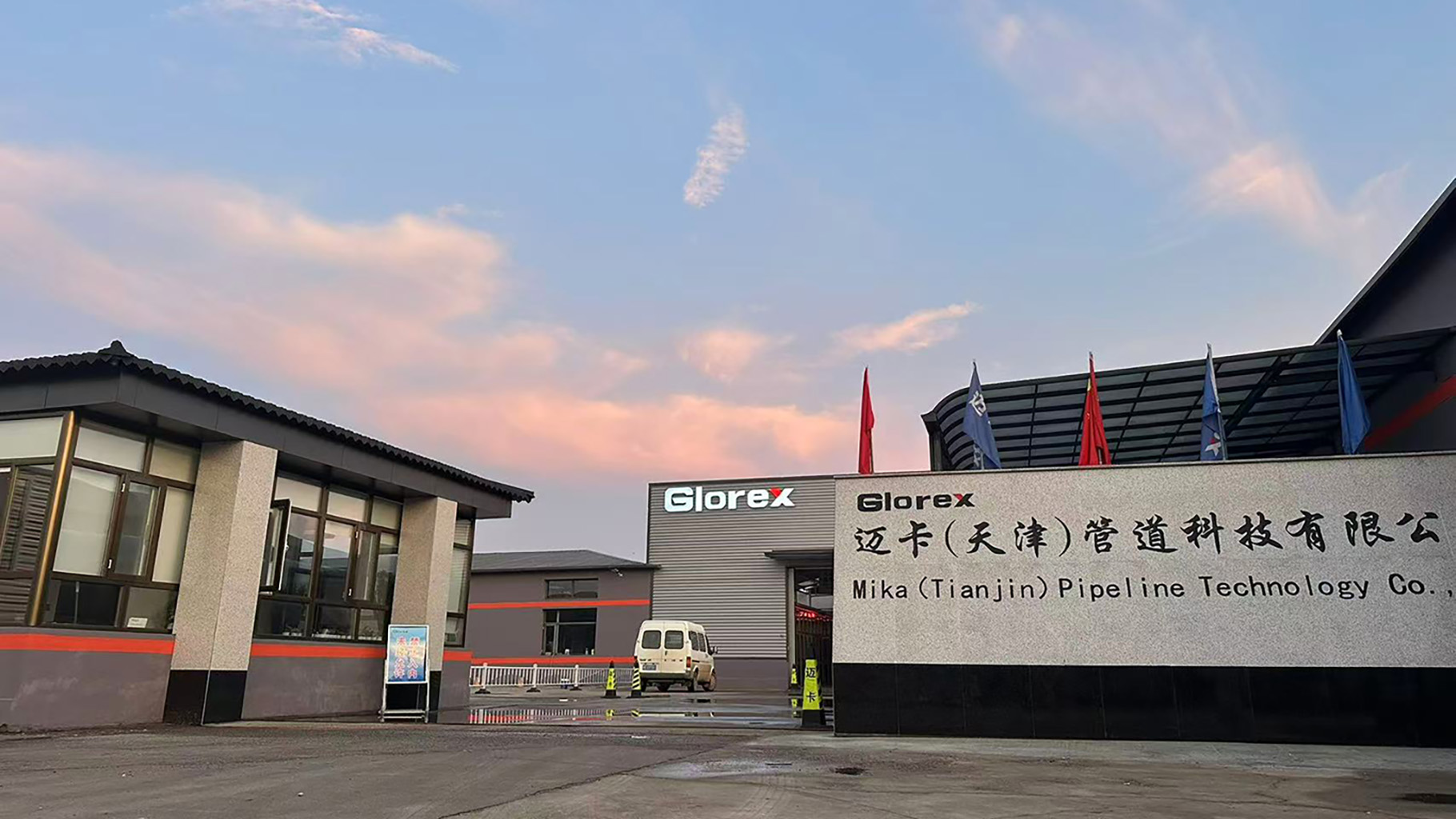
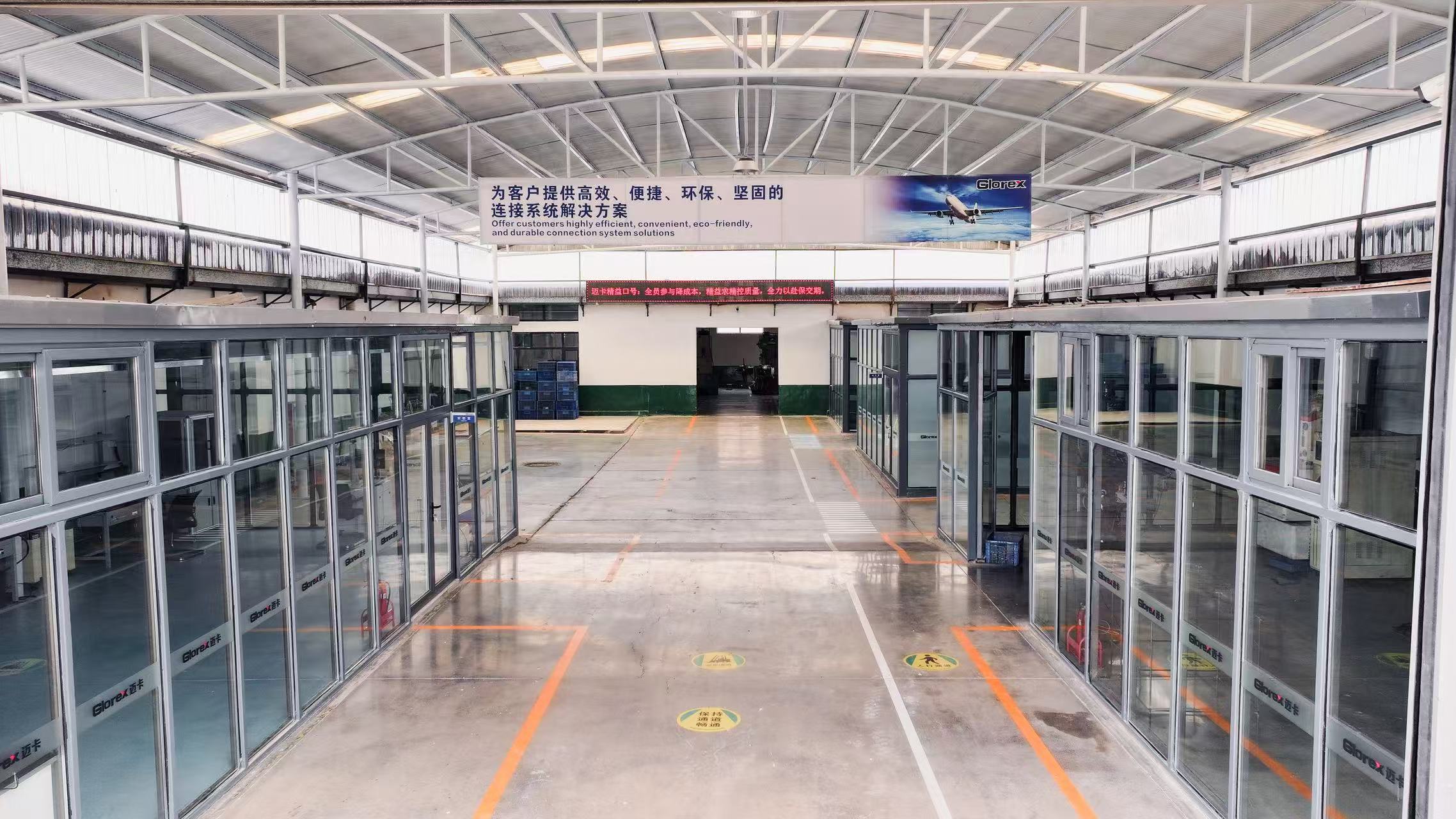
Glorex Clamp specializes in manufacturing heavy duty stainless steel clamps for exhaust and aftertreatment systems. Our V-band clamps are engineered for China VI emission standards, serving OEMs and aftermarket customers across automotive, industrial, and heavy equipment sectors. Every clamp undergoes dimensional verification and material certification before shipment. We understand that a failed clamp means failed emissions compliance—and we build our products accordingly.


FAQ
Q: What's the difference between a V-band clamp and a regular hose clamp?
A: V-band clamps use a V-grooved band that engages angled flanges, creating even 360° clamping force. Regular worm-gear hose clamps create point-loading that can leak under thermal cycling. For exhaust coupling applications, V-band clamps are the professional standard.
Q: Can I use heavy duty hose clamps on my gasoline vehicle?
A: V-band clamps work on any flanged exhaust connection. However, they're most critical on diesel aftertreatment systems where leaks affect emissions compliance and sensor readings.
Q: How do I know which size V-band clamp I need?
A: Measure the outer diameter of your flanges when mated together. The clamp's nominal size should match this dimension. When in doubt, consult the clamp manufacturer with your flange specifications.
Q: Are stainless steel clamps worth the extra cost?
A: For exhaust applications, absolutely. Carbon steel clamps corrode rapidly under heat cycling, leading to seized bolts and failed connections. Stainless steel lasts the life of the vehicle.
Q: Can V-band clamps be reused?
A: Yes, quality V-band clamps can be removed and reinstalled multiple times without losing effectiveness—provided the T-bolt threads aren't damaged and the V-groove hasn't been deformed by over-tightening.
Conclusion
For exhaust coupling and aftertreatment applications, the clamp isn't a commodity—it's a critical component affecting emissions compliance, fuel efficiency, and maintenance costs. Heavy duty hose clamps built on V-band technology deliver the sealing reliability, thermal resilience, and serviceability that modern diesel systems demand.
Whether you're specifying components for production or maintaining an existing fleet, choosing the right clamp manufacturer matters. Explore Glorex Clamp's heavy duty V-band solutions engineered for China VI aftertreatment systems and beyond.
Hot Selling Products


Post time: Oct-16-2026


