



Why Floor Mounting Brackets Matter More Than Most People Think
In cable management projects, the tray gets the attention. The brackets get ignored — until something sags, loosens, or fails inspection.
Floor mounting brackets are the quiet link between a cable tray system and the building structure. They determine how load travels from the tray into the floor, how quickly a crew can finish an installation, and how well the system holds up in humid, dusty, or washdown environments. For wire mesh and basket trays, the bracket choice is even more critical because the tray itself is lightweight and flexible; the support points do most of the structural work.
This article walks through what to look for in a floor mounting bracket, where pre-galvanised fix floor brackets fit best, and the installation details that separate a clean job from a callback.
What a Floor Mounting Bracket Actually Does
A floor mounting bracket — sometimes called a fix floor bracket or floor stand bracket — anchors a cable tray run to a concrete slab, raised floor, or structural steel base. Its job is threefold:
Transfer load safely. Cable trays carrying power, control, or data cables can weigh significantly more than expected once filled. The bracket must resist vertical load and lateral movement without deformation.
Maintain tray alignment. Brackets set the elevation and slope of the tray run. Poor bracket placement shows up later as misaligned joints, stressed couplers, and cable chafing.
Survive the environment. In pre-galvanised or stainless steel finishes, the bracket must resist corrosion for the service life of the installation.
For basket tray and wire mesh tray systems, brackets are typically bolted to the floor and then clamped or bolted to the tray side wall. The connection method matters — a bracket that fits the tray wire spacing properly distributes load across multiple wires instead of concentrating it on one.

Pre-Galvanised Fix Floor Brackets: Where They Fit
Pre-galvanised steel is one of the most practical finishes for indoor and sheltered outdoor cable tray support. The zinc coating is applied to the steel coil before forming, so cut edges and punched holes retain a degree of protection. It is not the same as hot-dip galvanising after fabrication, but for controlled environments — warehouses, manufacturing halls, car parks, utility rooms — pre-galvanised floor brackets offer a strong cost-to-durability ratio.
Typical applications for pre-galvanised floor mounting brackets include:
Wire mesh cable tray runs in commercial buildings and data rooms
Basket tray installations in light industrial workshops
Retrofit projects where fast mechanical fixing is preferred over welding
Temporary or modular setups that may be reconfigured
For aggressive environments — chemical plants, coastal sites, food processing washdown areas — stainless steel brackets are the better choice. The principle is the same; the material spec changes.
Selection Checklist: Six Things to Confirm Before Ordering
1. Tray type and wire spacing. A bracket designed for basket tray must match the wire diameter and spacing of the tray it supports. Mismatched brackets lead to point loading and tray deformation.
2. Load rating. Confirm the bracket's safe working load with the manufacturer. Remember that load rating is per bracket, and spacing between brackets determines the actual capacity of the run.
3. Base plate and fixing method. Check the base plate dimensions and hole pattern against the floor anchor you plan to use. Concrete screws, wedge anchors, and chemical anchors all require different hole sizes.
4. Finish compatibility. Pre-galvanised brackets should be paired with pre-galvanised or similarly finished tray. Mixing finishes can accelerate galvanic corrosion at the contact point.
5. Height adjustment. Some fix floor brackets offer slotted or telescopic height adjustment. This is valuable when floor levels vary or when the tray run must match existing penetrations.
6. Edge protection. For wire mesh tray, check whether the bracket contact points are deburred or capped. Sharp edges on brackets can damage cable insulation over time.

Installation Notes That Reduce Callbacks
Set out bracket spacing before drilling. Cable tray manufacturers publish recommended support spacing — often 1.5 m to 2 m for basket tray, depending on load. Mark all bracket positions first, then drill. This avoids cumulative alignment errors.
Use the right anchor for the substrate. A bracket that is perfect for a concrete slab may be unsuitable for a hollow-core floor or a steel deck. Confirm the anchor type against the actual building structure, not the drawing.
Torque to spec, then check again. Vibration and thermal cycling loosen anchors over time. A torque check at handover, and again after the first service cycle, catches problems early.
Keep the bracket clear of tray joints. Placing a bracket directly at a coupler creates a stress concentration. Offset brackets slightly from joint locations.
Allow for cable fill. A tray that looks lightly loaded during installation may be filled to capacity later. Size bracket spacing for the final cable load, not the initial one.

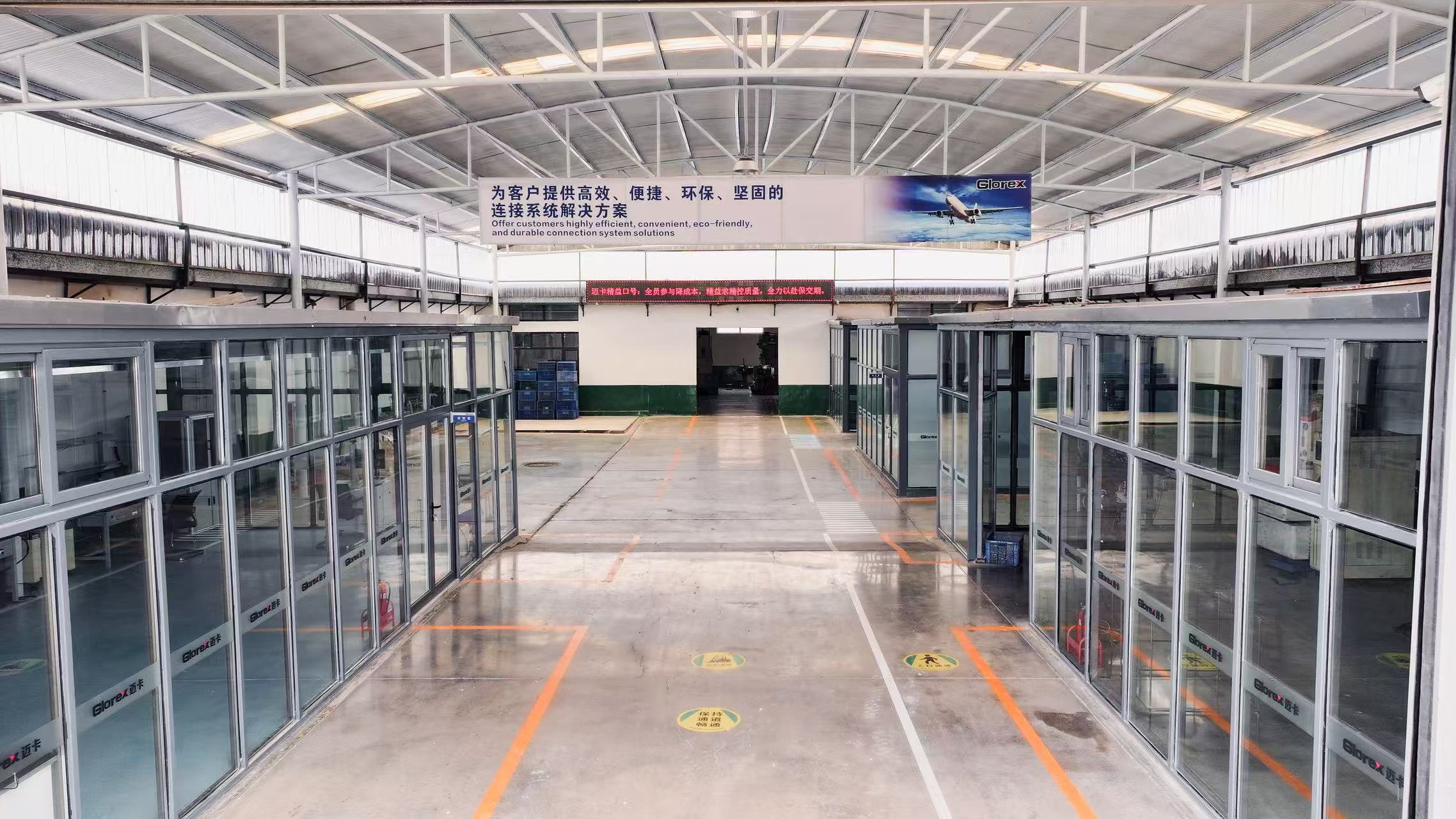

About Mika (Tianjin) Pipeline Technology Co., Ltd
Mika (Tianjin) Pipeline Technology Co., Ltd is based in Tianjin, one of China's four municipalities directly under the central government and a strategic hub on the Maritime Silk Road. The city's position as an international integrated transportation hub supports efficient export logistics for pipeline and support products.
The company provides pipe clamp products with a focus on non-leakage sealing and reliable performance across automotive, military, air intake, engine exhaust, cooling and heating, irrigation, and industrial drainage systems. With nearly 100 employees — including 15 pre- and after-sales staff and 8 technicians, 5 of them senior engineers — Mika combines sales, design, production, and after-sales support under one roof. The company culture is described as sunny, pragmatic, and upward-looking, which in practice means straightforward communication and a focus on getting specifications right the first time.
For cable tray support projects, the relevant product line includes pre-galvanised fix floor brackets suitable for steel wire cable tray and basket tray systems. Product details and specifications are available on the company's product page: Pre-Galvanised Fix Floor Bracket for Basket Tray.
For project-specific questions — load ratings, custom dimensions, finish options, or combined pipe clamp and tray support packages — the sales and engineering team can be reached through the company's website.


FAQ
Q: What is the difference between a fix floor bracket and a quick fix floor bracket?
A: "Fix" typically refers to a fixed-height bracket that is bolted into position. "Quick fix" brackets are designed for faster installation — often with slotted holes, pre-assembled components, or clamp-style tray connections that reduce the number of fasteners. The right choice depends on how much height adjustment the project needs and how much installation time is available.
Q: Can pre-galvanised floor mounting brackets be used outdoors?
A: In sheltered outdoor locations with low humidity and no chemical exposure, pre-galvanised brackets can perform well. For direct rain exposure, coastal salt air, or industrial atmospheres, hot-dip galvanised or stainless steel brackets are recommended. The zinc coating on pre-galvanised steel is relatively thin compared with hot-dip galvanising.
Q: How far apart should floor mounting brackets be placed for basket tray?
A: Spacing depends on tray width, cable load, and the bracket's load rating. A common starting point is 1.5 m to 2 m, but the manufacturer's published support spacing for the specific tray should take precedence. For heavily loaded runs or trays carrying sensitive data cables, closer spacing reduces deflection.
Q: Do floor mounting brackets work with both wire mesh and solid-bottom cable tray?
A: Many brackets are designed with a universal connection pattern, but the tray interface differs. Wire mesh tray needs a bracket that clamps or bolts across the wire structure without crushing it. Solid-bottom tray often uses a simpler bolted connection. Always confirm the bracket is listed for the tray type you are using.
Q: What finish should I choose for a food processing facility?
A: Stainless steel — typically 304 or 316 grade — is the standard choice for washdown and hygiene-critical areas. Pre-galvanised brackets are generally not suitable where frequent cleaning with water or chemicals occurs.
Hot Selling Products


Post time: Oct-27-2026


