



What Are Exhaust Band Clamps?
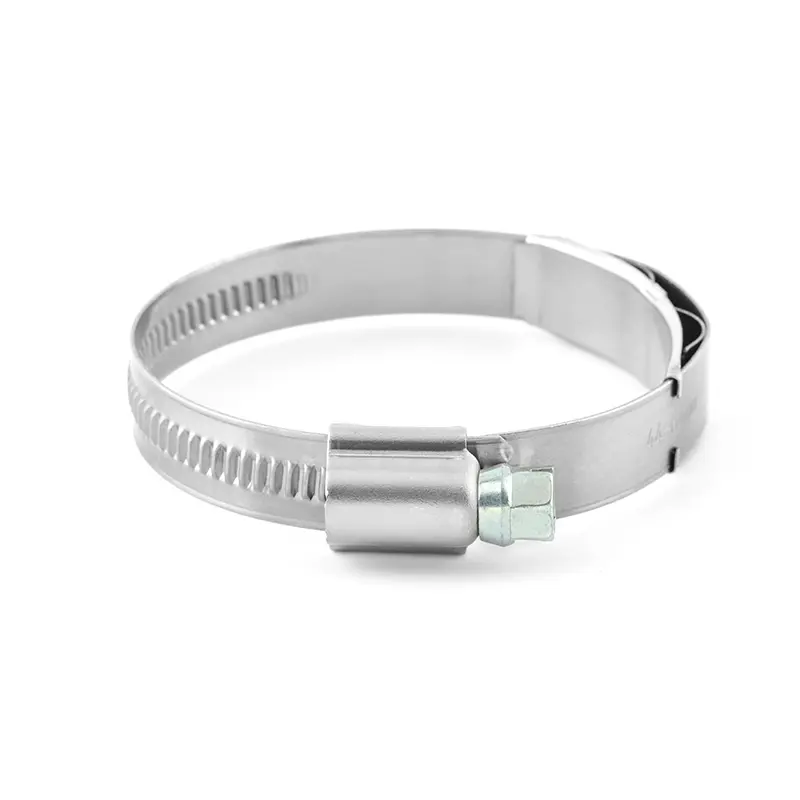
Exhaust band clamps are circular fastening devices used to join two pipe ends or flanges in an exhaust system. Unlike traditional U-bolt clamps that crush the pipe, a band clamp wraps around the joint and distributes pressure evenly, creating a sealed connection that can be disassembled without damaging the components.
The most common style in performance and OEM exhaust systems is the V-band clamp. Its V-shaped profile mates with corresponding flanges on each pipe end, pulling them together with consistent force around the entire circumference. This design handles the vibration, heat cycling, and pressure fluctuations that exhaust systems face daily.
Glorex manufactures stainless steel V band clamps built for these exact conditions. The rest of this guide covers what you need to know before specifying or buying.
Exhaust Band Clamp Types: Which One Fits Your System?
Not every exhaust joint calls for the same clamp. The three main categories:
V-band clamps — The go-to choice for turbocharger downpipes, catalytic converter connections, and exhaust manifold outlets. The V-profile self-centers the flanges, which speeds up assembly and reduces misalignment. Available in bolt/nut or quick-release closures.
Flat band clamps — Used where flanges are flat rather than V-grooved. Common in industrial exhaust routing and larger diameter pipe connections.
Lap joint band clamps — Designed for slip-fit pipe joints where one pipe slides inside another. The band compresses over the overlap zone.
For automotive exhaust work, V-band clamps dominate because they combine leak resistance with easy removal. A turbo swap or catalytic converter replacement goes faster when you can unbolt two V-bands instead of cutting welded seams.

Material Selection: 304 vs. 316 vs. 321 Stainless Steel
Exhaust band clamps live in a harsh environment — extreme heat, road salt, moisture, and constant thermal expansion. Material choice directly affects service life.
| Grade | Best For | Heat Resistance | Corrosion Resistance |
|---|---|---|---|
| 304 | General exhaust systems, daily drivers | Good (up to ~870°C intermittent) | Good |
| 316 | Marine, coastal, high-salt environments | Good | Excellent (molybdenum content) |
| 321 | High-performance turbo applications, extreme heat | Excellent (titanium-stabilized) | Very good |
304 stainless covers most street-driven exhaust systems. It balances cost and durability well.
316 stainless makes sense for vehicles exposed to road salt or coastal air. The added molybdenum resists pitting corrosion that 304 can develop over time.
321 stainless is the choice for turbocharged engines and racing applications where exhaust gas temperatures spike higher. The titanium stabilization prevents chromium carbide precipitation at elevated temperatures, which keeps the material ductile and corrosion-resistant.
Glorex stocks all three grades and can source other specified alloys for specialized projects.


Where Exhaust Band Clamps Are Used
The applications go beyond passenger cars:
Turbocharger-to-downpipe connections — V-band clamps allow quick turbo removal and reinstallation without cutting.
Catalytic converter flanges — Secure sealing without gaskets in many designs.
Exhaust manifolds — Header collectors and slip-on connections.
Diesel particulate filters and EGR systems — High-temperature, vibration-heavy environments.
Industrial equipment — Bulk material containers, bypass filter units, and process piping that requires secure, removable connections.
If you are working on a custom exhaust build or specifying clamps for a production run, matching the clamp profile to the flange geometry matters as much as material choice.
Installation: Getting the Seal Right the First Time
Hose Band Clamps are forgiving, but a few habits prevent leaks and callbacks:
Clean the mating surfaces. Dirt or old gasket material on the flange faces prevents full contact.
Align the flanges before tightening. The V-profile self-centers, but starting alignment reduces stress on the clamp.
Tighten evenly and gradually. Alternating sides (for two-bolt closures) distributes load evenly. Over-tightening one side first can cock the flanges.
Check for gap uniformity. After tightening, inspect the gap between flanges around the circumference. An uneven gap signals misalignment.
Re-torque after heat cycles. Exhaust components expand and contract. A re-check after the first few heat cycles catches loosening before it becomes a leak.
Quick-release V-band clamps follow the same principles but use a latch mechanism instead of bolts. These are popular in racing and off-road applications where fast teardown matters.

What to Look for in a Supplier
Exhaust band clamps are not a commodity where the cheapest option wins. A failed clamp means exhaust leaks, noise, and potential rework. Key supplier criteria:
Material traceability — Can the manufacturer document the stainless steel grade? Glorex maintains material certificates for each production batch.
Dimensional consistency — The V-profile angle and band width must match flange specifications. Automated manufacturing holds tighter tolerances than manual forming.
Customization capability — Off-the-shelf sizes rarely cover every project. Look for a supplier that can produce custom diameters, widths, profiles, and closure types from customer drawings.
Surface finish options — Polished, passivated, or natural finishes affect corrosion resistance and appearance. Passivation removes free iron from the surface and improves the protective oxide layer.
OEM/ODM experience — If you need private labeling or custom packaging for a branded product line, confirm the supplier has done it before.

About Glorex
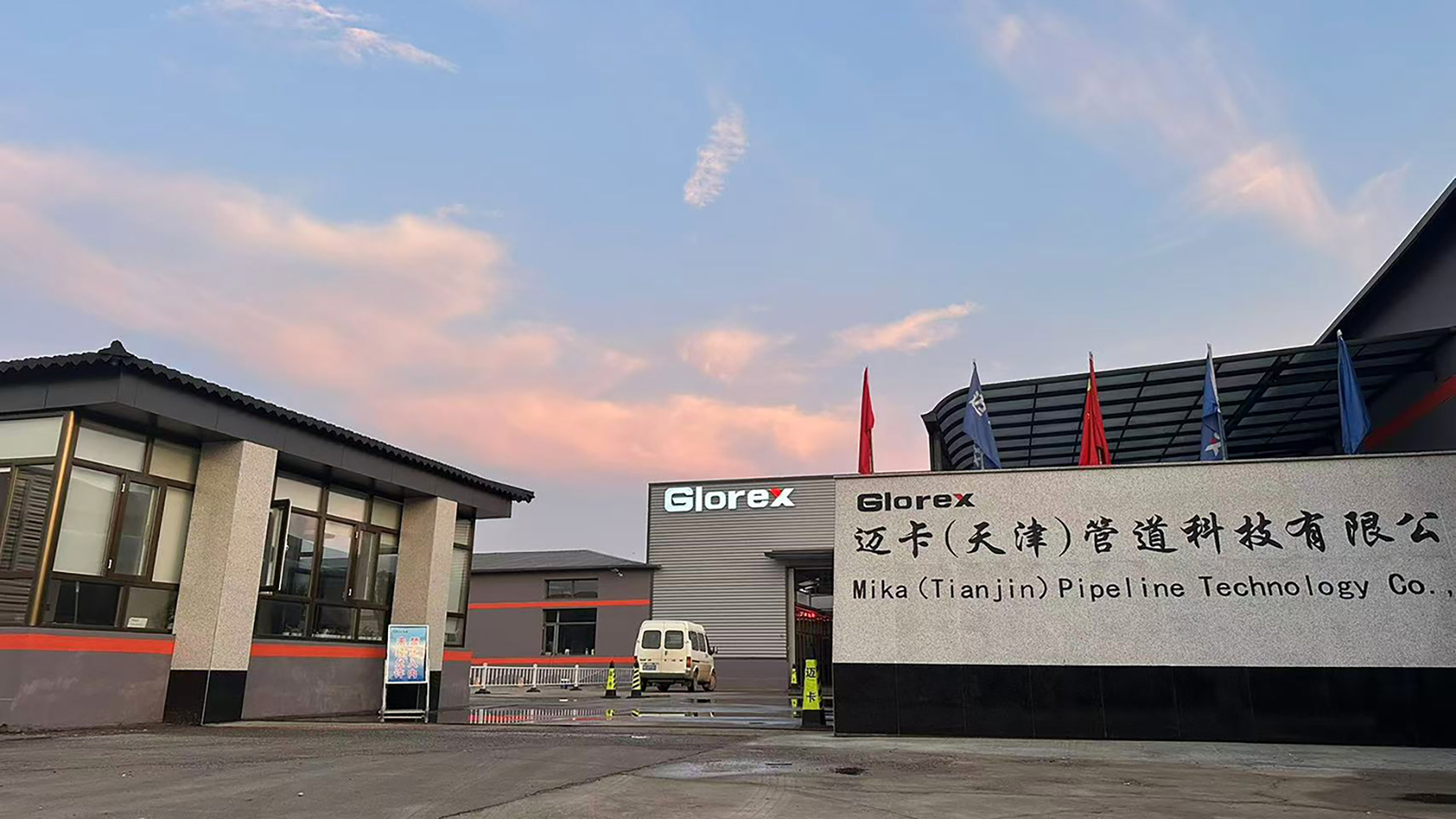
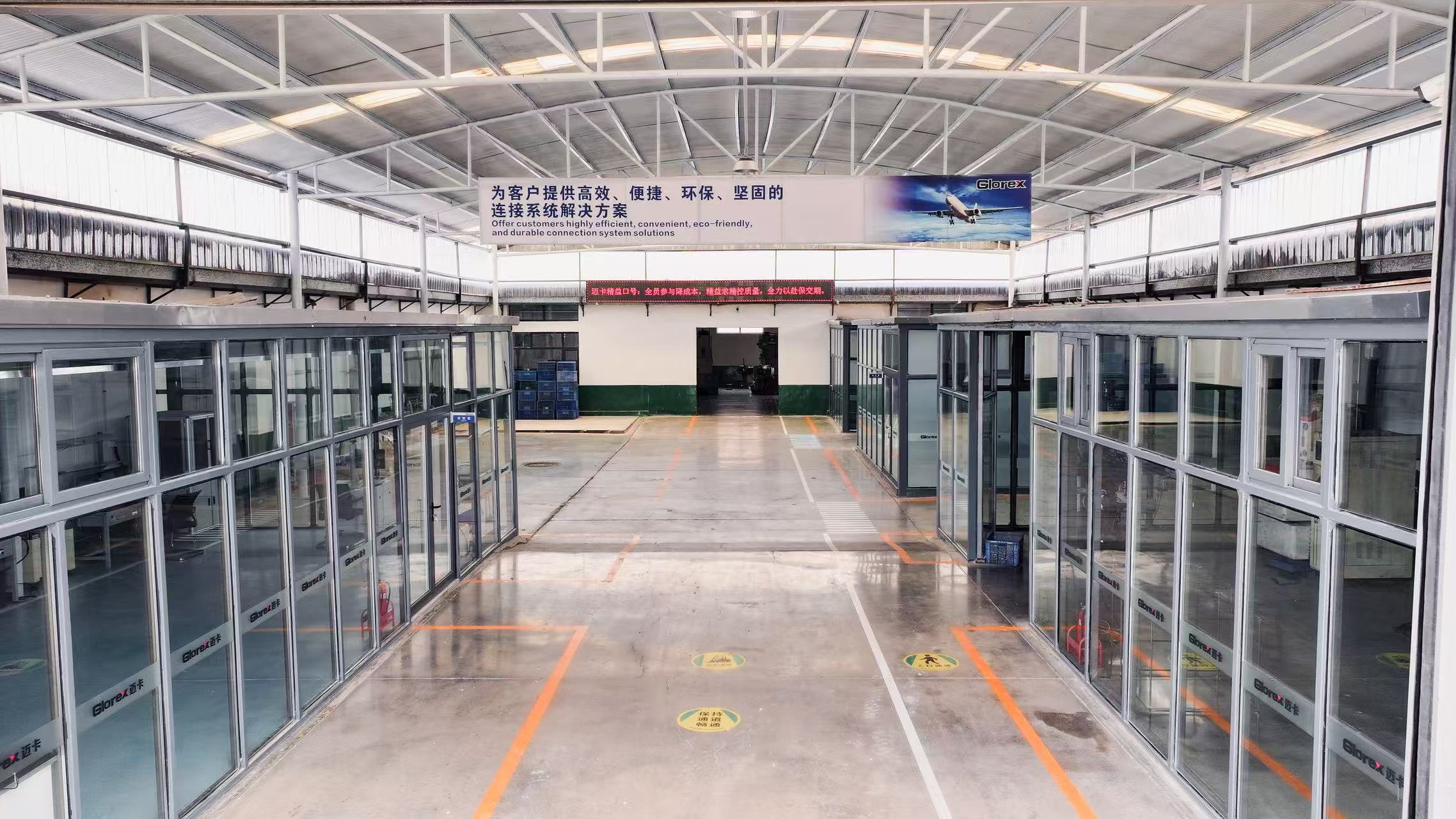
Glorex is a China-based manufacturer and factory specializing in stainless steel V-band clamps and related hose band clamps. The company serves automotive aftermarket brands, performance shops, and industrial equipment builders who need dependable clamping solutions at competitive pricing.
What sets Glorex apart:
Material flexibility — 304, 316, 321 stainless steel and custom grades available.
Custom manufacturing — Profiles, widths, diameters, closure types, and surface finishes built to customer specifications.
Automated production — Consistent quality across production runs, from prototype to volume orders.
Export experience — Packaging and documentation prepared for international shipping.
Direct factory communication — Send a drawing, dimensions, material grade, and quantity; the team responds with a recommended solution and quote.
Whether you need a single custom V-band clamp for a prototype or a container load for a product launch, the process starts with your specifications. Request a quote to get the conversation moving.


FAQ
Q: What is the difference between a V-band clamp and a regular exhaust clamp?
A: A V-band clamp uses a V-shaped profile that mates with grooved flanges, pulling them together evenly around the full circumference. Regular U-bolt or saddle clamps compress the pipe directly, which can distort the pipe and create leak paths. V-band clamps are removable and reusable without damaging the joint.
Q: Can I reuse an exhaust band clamp after removing it?
A: Yes, in most cases. V-band clamps are designed for repeated assembly and disassembly. Inspect the band for deformation or thread damage before reuse. Replace the clamp if the V-profile is bent or the bolt threads are worn.
Q: Do V-band clamps need gaskets?
A: Many V-band designs seal metal-to-metal without a gasket because the V-profile creates a tight interference fit. Some applications use a thin gasket for extra assurance, especially on flat-face flanges. Follow the flange manufacturer's recommendation.
Q: What size exhaust band clamp do I need?
A: Measure the outside diameter of the flange or pipe where the clamp seats. V-band clamps are sized to the flange OD, not the pipe OD. When in doubt, provide the flange drawing to the supplier for confirmation.
Q: Can Glorex produce custom exhaust band clamps from my drawing?
A: Yes. Send the drawing, dimensions, material grade, quantity, and any surface finish or packaging requirements. Glorex reviews the specifications and responds with a manufacturing recommendation and quote.
Q: What is the typical lead time for custom V-band clamps?
A: Lead time depends on quantity, material availability, and customization complexity. Contact Glorex directly with your project details for a specific timeline.
Q: Are Glorex clamps suitable for high-performance turbo applications?
A: Yes. 321 stainless steel V-band clamps are specifically suited for high-temperature turbo connections. Specify 321 when exhaust gas temperatures are consistently high or when the application demands maximum heat resistance.
Hot Selling Products


Post time: Oct-26-2026


