



While pipes and hoses carry the lifeblood of countless industries – from automotive coolant to hydraulic power in heavy machinery – their integrity often relies on a seemingly simple component: the hose clip. Often overlooked, these critical fasteners are undergoing quiet innovation, driving improvements in safety, efficiency, and reliability across diverse sectors. Today, we delve into the world of hose clip types, exploring their evolution and the critical factors influencing their selection.
Navigating the Clamp Landscape: Common Hose Clip Types
Worm Drive Clamps (Screw Bands): The most recognizable type, featuring a perforated band and a screw mechanism. Known for their wide adjustability and ease of installation/removal.
Pros: Versatile, readily available, cost-effective for many applications.
Cons: Can cause uneven pressure distribution, potentially damaging softer hoses. Vulnerable to over-tightening or loosening due to vibration. Corrosion can seize the screw.
Best For: General-purpose applications, lower-pressure coolant lines, vacuum hoses, non-critical connections.
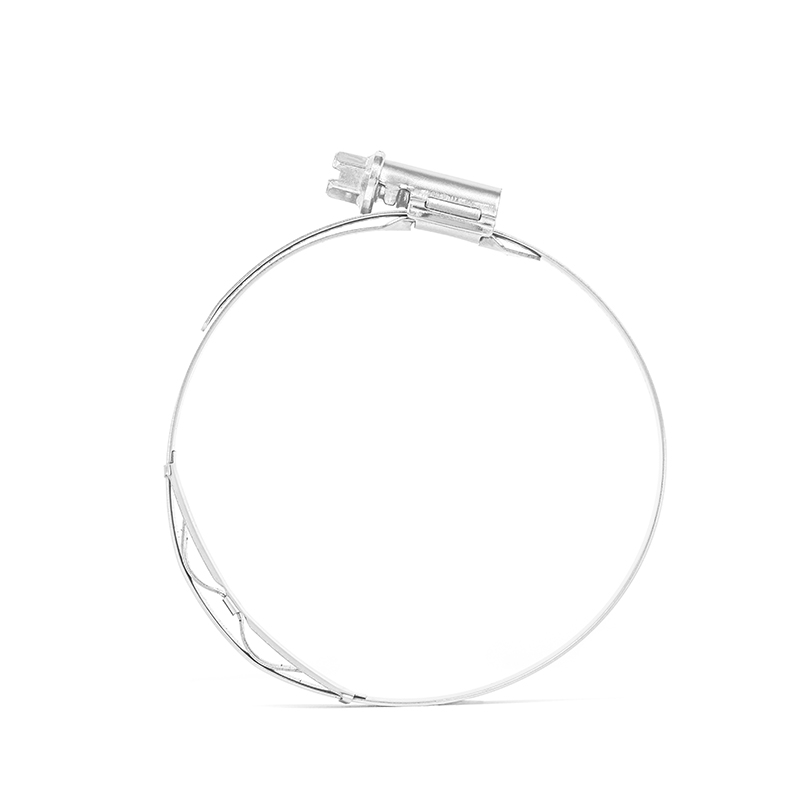
Constant Tension (Spring) Clamps: Manufactured from spring steel, these clips apply consistent pressure automatically, compensating for hose swelling/shrinking due to temperature changes.
Pros: Excellent vibration resistance, maintains constant pressure, reduces risk of over-compression.
Cons: Requires specific installation tools (pliers), limited size adjustability, potentially harder to remove.
Best For: Automotive coolant systems (radiator hoses), fuel lines, applications with significant thermal cycling.
Ear Clamps (Oetiker-style): Single-use clamps tightened using a special tool that crimps the "ears," creating a permanent, 360-degree seal.
Pros: Highly secure, uniform pressure distribution, excellent vibration and blow-off resistance, tamper-proof.
Cons: Permanent (requires cutting for removal), requires specific installation tooling.
Best For: Fuel injection lines, turbocharger hoses, power steering, air conditioning systems – anywhere high security is vital.
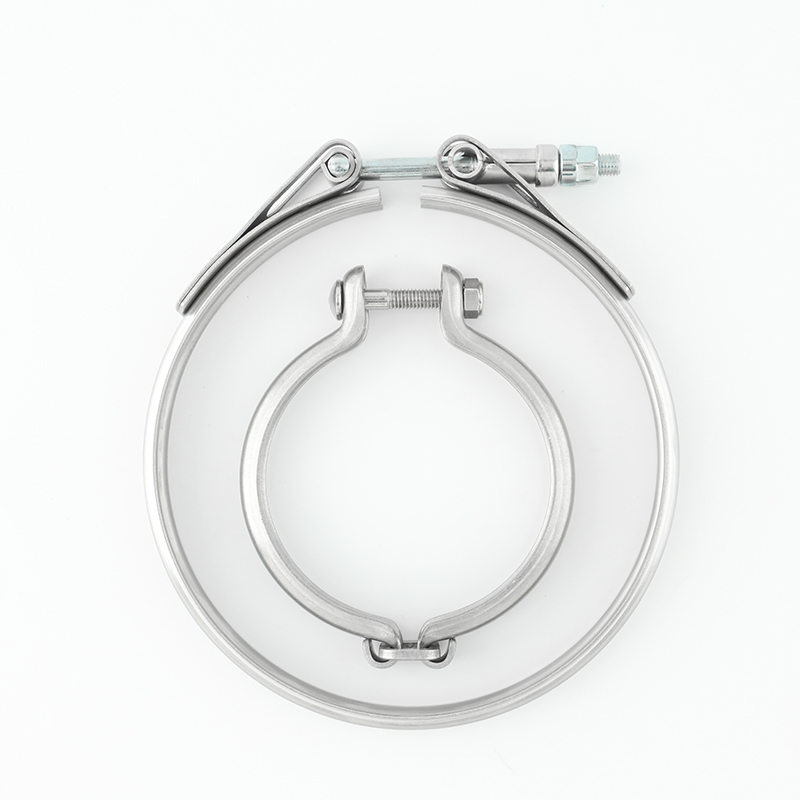
T-Bolt Clamps: Heavy-duty clamps featuring a T-bolt that pulls a solid band tight. Often have a rolled edge to protect the hose.
Pros: Extremely strong, handles very high pressures and temperatures, provides excellent uniform sealing force.
Cons: Bulkier, more expensive, requires more installation space and torque control.
Best For: Industrial hydraulics, large-diameter coolant lines (marine, power generation), high-pressure air systems, silicone or other performance hoses.

V-Band Clamps: Consist of two flanges (one welded to the hose end fitting, one to the pipe) joined by a V-shaped band tightened by a single bolt/nut.
Pros: Creates a strong, leak-free, flange-type connection ideal for sealing against gases. Allows for easy disassembly/reassembly.
Cons: Requires welded flanges, more complex installation.
Best For: Exhaust systems (especially turbocharger connections), charge air pipes, intake systems.
Beyond the Basics: Material and Design Evolution
Manufacturers are increasingly focusing on specialized materials to combat harsh environments. Stainless steel (304, 316) dominates for corrosion resistance. Coatings like zinc-nickel or Dacromet offer enhanced protection. High-temperature nickel alloys are used in extreme heat applications.
Designs are also evolving:
Shielded Worm Drives: Incorporating a rolled edge or shield to protect the hose from the band's perforations.
Quick-Connect Systems: Emerging solutions for specific applications requiring rapid hose changes.
Precision Torque Indicators: Features ensuring correct installation force is achieved.
Expert Insight: The Selection Process
Operating Pressure & Temperature: Clips must exceed system max ratings.
Hose Material: Soft silicone needs gentler clamps than stiff rubber.
Media Compatibility: Ensure the clip material won't corrode.
Vibration Levels: Constant tension or ear clamps excel here.
Accessibility: Can you get tools in for installation/removal?
Regulations: Specific industries (automotive, food, pharma) have standards."
The Future: Smarter Connections?
Research is exploring integrated sensors within clamps to monitor pressure, temperature, or even detect imminent failure – paving the way for predictive maintenance in critical fluid systems.
Conclusion
Hose clips, far from being mere commodity fasteners, are sophisticated components vital to system integrity. Understanding the strengths and limitations of each type – from the humble worm drive to the robust T-bolt – empowers engineers and technicians to make informed choices. As materials and designs advance, these unsung heroes will continue to play a crucial role in ensuring the safe, efficient, and reliable flow of fluids powering our industries.
Post time: Jul-01-2025


